Fanatec Podium DD Wheelbase – Detailed Review

The Fanatec Podium DD enters the high-end direct drive wheel base market at a time when competition has never been fiercer.

What was once a niche dominated by a handful of premium options is now crowded with capable hardware at nearly every price point.

On paper, it replaces the older Podium DD1 and DD2. More importantly, it lands at a price point that sits uncomfortably close to Fanatec’s own Clubsport DD+ 15 Nm wheel base — a product many already consider to be in the long-term sweet spot for most sim racers.

That immediately raises questions. We’ve spent around six weeks testing the Podium DD across multiple sims, cars, and strength levels to understand where it genuinely improves on Fanatec’s existing lineup, where it doesn’t, and how it stacks up against the best alternatives available today.
Fanatec Podium DD Ratings

Loading wheel base data…

By purchasing through links on this page you’ll be supporting Boosted Media at no additional cost to you!  This option is available for a huge range of Sim Racing gear.
Discount Code: BOOSTED5
Ships from
Gold Coast
Discount Code: BOOSTED
Ships Globally from Spain
Availability
may vary

If our reviews have helped you decide what the best sim racing gear is for you, please consider using the links on this page to make your purchase.  By doing so you’ll be supporting Boosted Media at no additional cost to you!  This option is available for a huge range of Sim Racing gear.

VALUE: 6/10

 
Strong relative pricing, but limited real-world upside for most users
The Podium DD is priced more competitively than Fanatec’s previous flagship wheel bases, but its value still depends heavily on how much of its capability you will actually use. It sits only marginally above the Clubsport DD+ in price, a wheel base whose cost is inflated by PlayStation compatibility — something the Podium DD does not offer. In isolation, that makes the Podium DD look relatively well positioned, especially given its higher output ceiling, improved build quality, and included 100 mm shaft extension. However, for most sim racers, the usable strength window remains well below the Podium DD’s maximum capability. The additional headroom improves responsiveness and consistency, but it does not fundamentally transform the driving experience for everyone. As a result, the extra performance is real, but situational. Once ecosystem commitment and potential third-party wheel costs are factored in, the Podium DD lands as reasonable rather than standout value. It is sensibly priced for what it offers, but it is not an obvious value leader in the current high-end direct drive market.

FORCE FEEDBACK QUALITY: 8.5/10

Powerful, refined, and instinctive — but not the absolute best

At a fundamental level, the driving experience is excellent. The wheelbase is smooth, powerful, and consistent across different sims and car types. Torque delivery is clean, with no meaningful cogging, graininess, or center deadzone issues. Thermal performance is a non-issue — even running extended sessions at full output, the base remained barely warm to the touch.

Dynamic range and responsiveness

Despite offering a 25 Nm continuous rating (with boost up to 33 Nm), the real story isn’t peak strength — it’s how that strength is delivered.

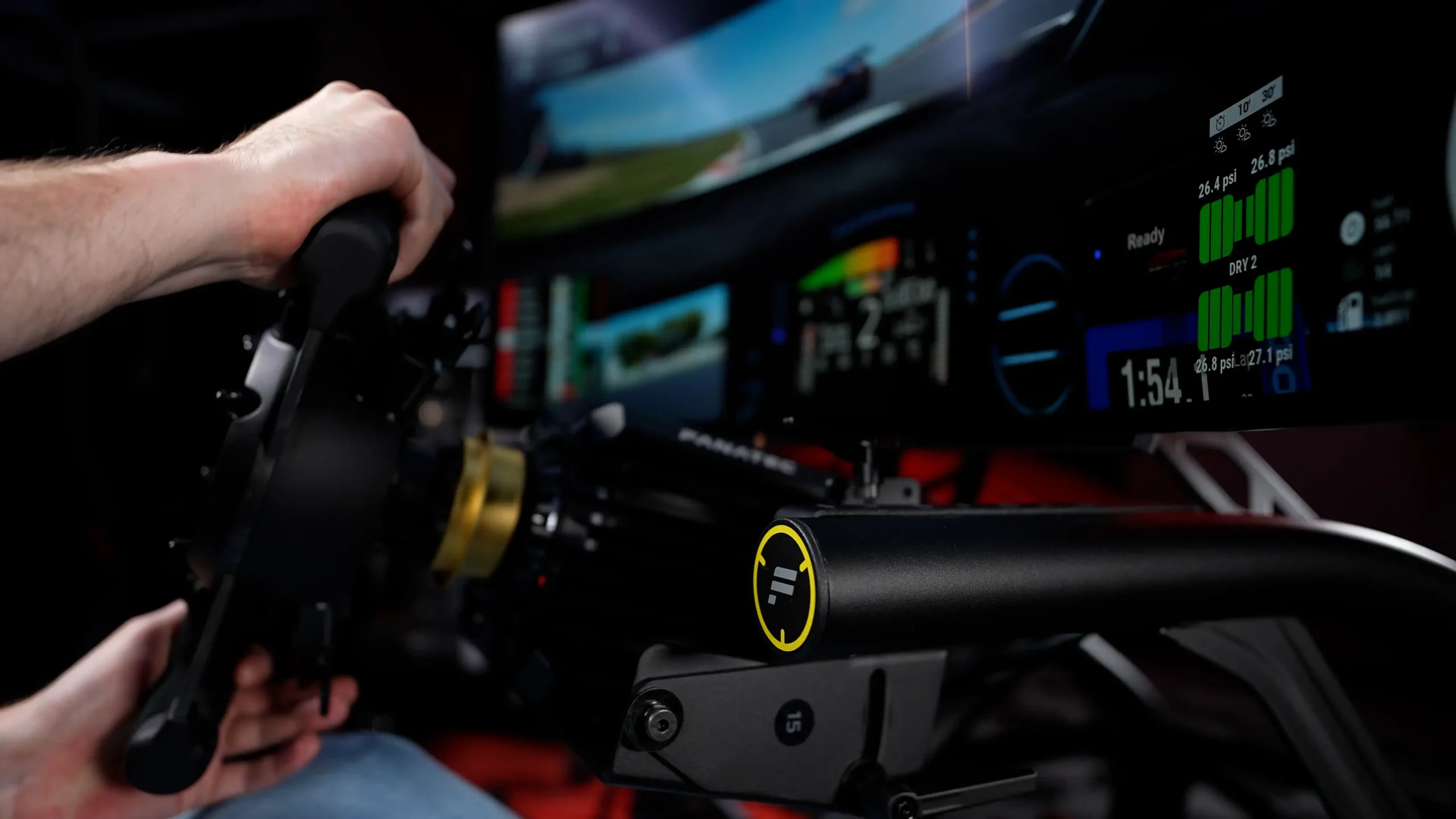
Even when run at 15 Nm or below — the “sweet spot” for most drivers — the Podium DD feels very slightly more responsive and instinctive than the Clubsport DD+. Catching slides, particularly snap oversteer moments, feels more natural and predictable. The steering reacts quickly and decisively, and just as importantly, settles correctly when grip returns.

That said, compared back-to-back with top-tier competitors like Simucube, VRS, or Asetek Invicta, there is still a subtle difference in how the Podium DD communicates tire load-up. The transition from light forces into heavier cornering forces feels a little stiffer, with less fine-grain detail through the mid-range. This doesn’t stop you driving fast, but it does slightly dull the precision you get when balancing a car at the limit.

Full Force

Fanatec’s proprietary Full Force system sits on top of the standard force feedback signal, adding telemetry-driven effects such as road texture, gear shifts, and ABS vibration.

When supported, it works well. It adds immersion and surface detail that can genuinely enhance the experience. However, it remains limited in game support and does not fundamentally improve car control or feedback clarity. This is an immersion layer, not a handling breakthrough.

It’s a nice bonus — not a buying reason.

SOFTWARE & TUNING: 8/10

Polished, cohesive, and easy to live with

Fanatec’s software has come a long way, and in day-to-day use this is one of the Podium DD’s strongest qualities.

The unified desktop and mobile app is stable, modern, and far easier to live with than Fanatec’s older fragmented approach. Just as importantly, Fanatec continues to offer full on-wheel adjustment through the tuning menu, allowing key force feedback parameters to be changed on the fly without alt-tabbing or reaching for a phone. Automatic game detection, baseline profiles, and per-car tuning dramatically reduce setup time. In most cases, you can launch a sim and drive immediately without digging through menus.

Advanced users still have access to deep tuning options, including:
– Interpolation filtering
– Natural friction and inertia
– Dynamic force feedback modifiers
– Full Force intensity scaling

Importantly, the baseline profiles are good. That cannot be said for many competing ecosystems.

Where Fanatec still trails leaders like Simucube is in cloud-based profile sharing and community-driven tuning integration. You can import and export profiles manually, but the process is less seamless and less discoverable.

ECOSYSTEM: 6/10

Broad range of wheels, but increasingly outpaced by more modern ecosystems

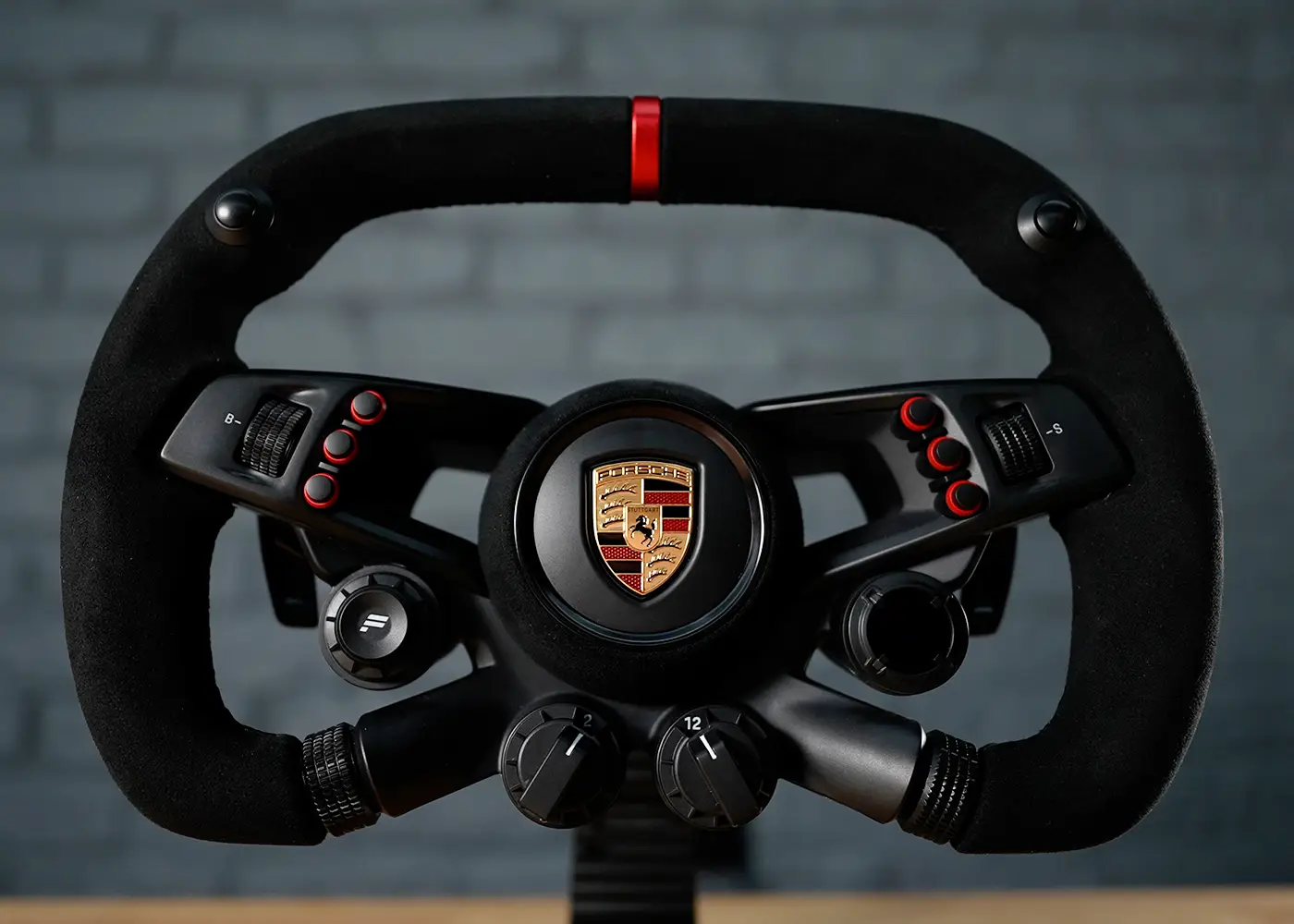
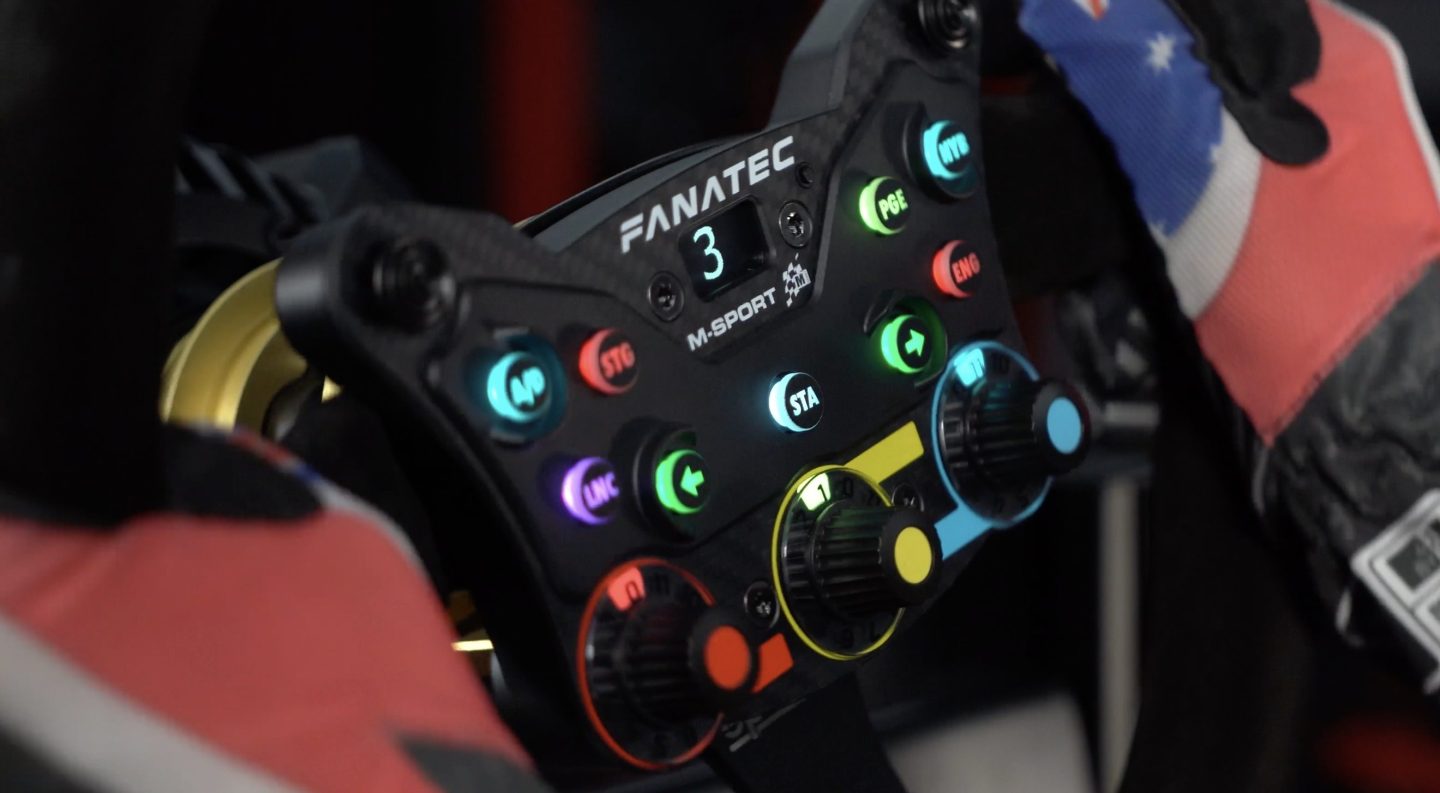
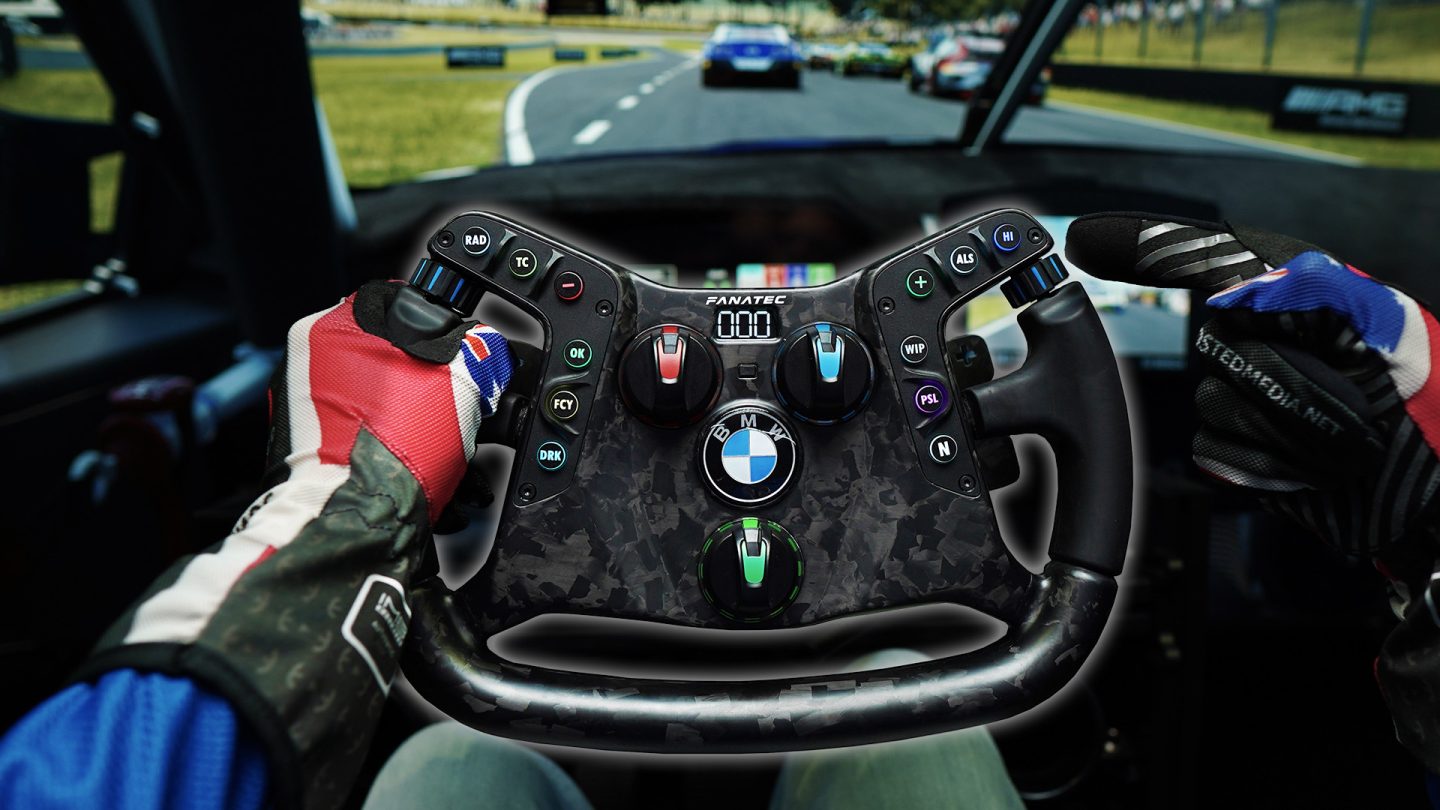
Fanatec’s ecosystem is still one of the largest in sim racing, particularly when it comes to first-party wheel options. There is no shortage of rims, button modules, and form factors available, and long-time Fanatec users will already be familiar with how everything fits together.

However, despite that breadth, the ecosystem as a whole is no longer moving at the pace of its closest competitors. Brands like Moza and Simagic have made significant strides in recent years with faster product iteration, more open hardware support, and ecosystems that feel more modern and flexible.

There are still clear positives:

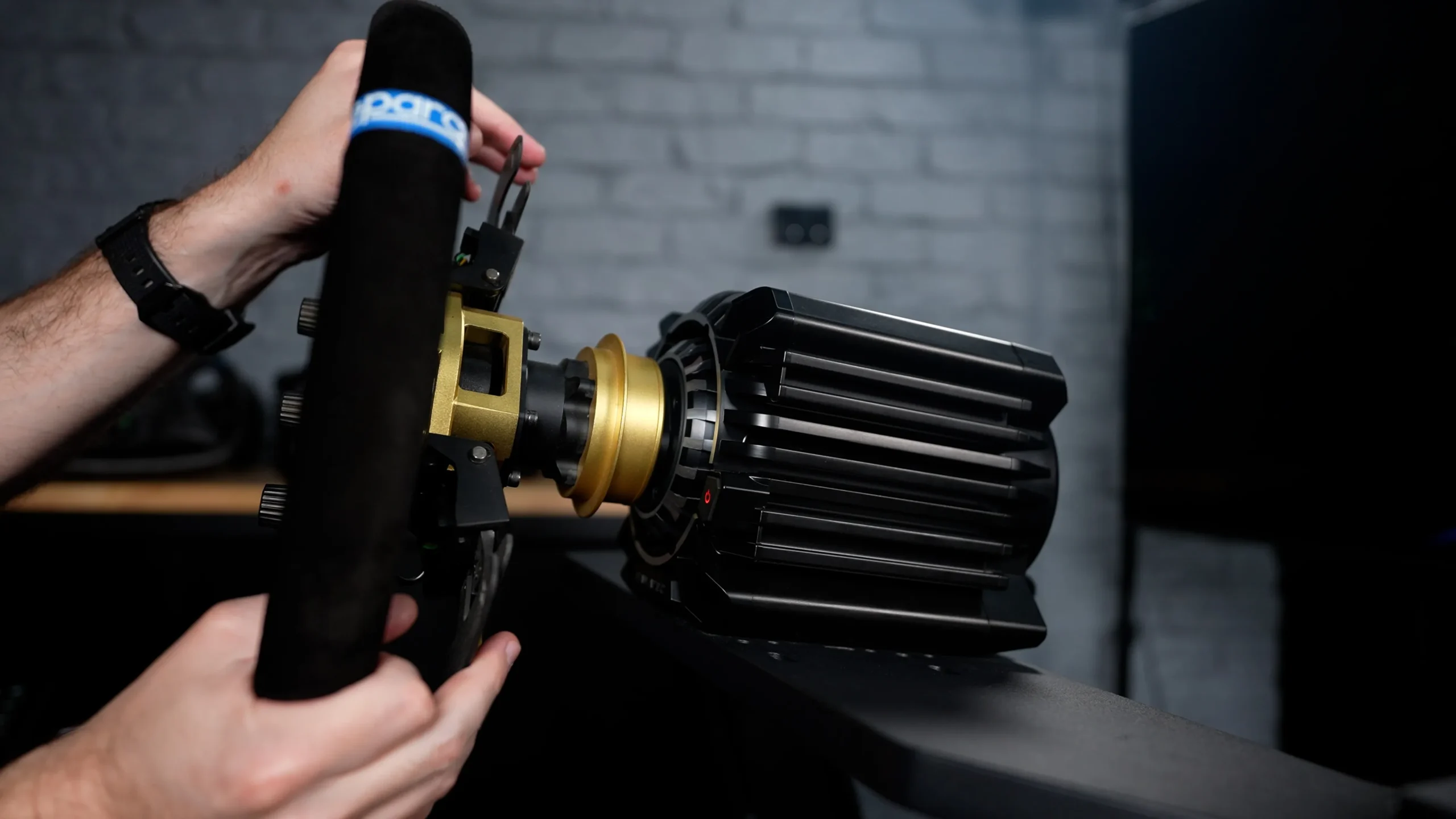
  • QR2 is excellent: solid, rattle-free, and confidence-inspiring
  • Integration between Fanatec peripherals remains straightforward
  • Wheel-side tuning and mobile adjustments are genuinely useful

But the limitations are becoming harder to ignore:

  • Force feedback is locked without a Fanatec wheel or emulator
  • Third-party wheel use adds cost and complexity
  • Ecosystem range lagging behind newer competitors

If you are already invested in Fanatec hardware, the ecosystem remains functional and familiar. If you are starting fresh or value openness and rapid platform evolution, Fanatec is no longer the obvious choice it once was.

For console users Fanatec still remains one of the more flexible ecosystems, however with the Podium DD specifically, that is only relevant for Xbox user as there is no PlayStation compatibility with this base.

BUILD QUALITY: 8.5/10

Fanatec has clearly stepped things up here

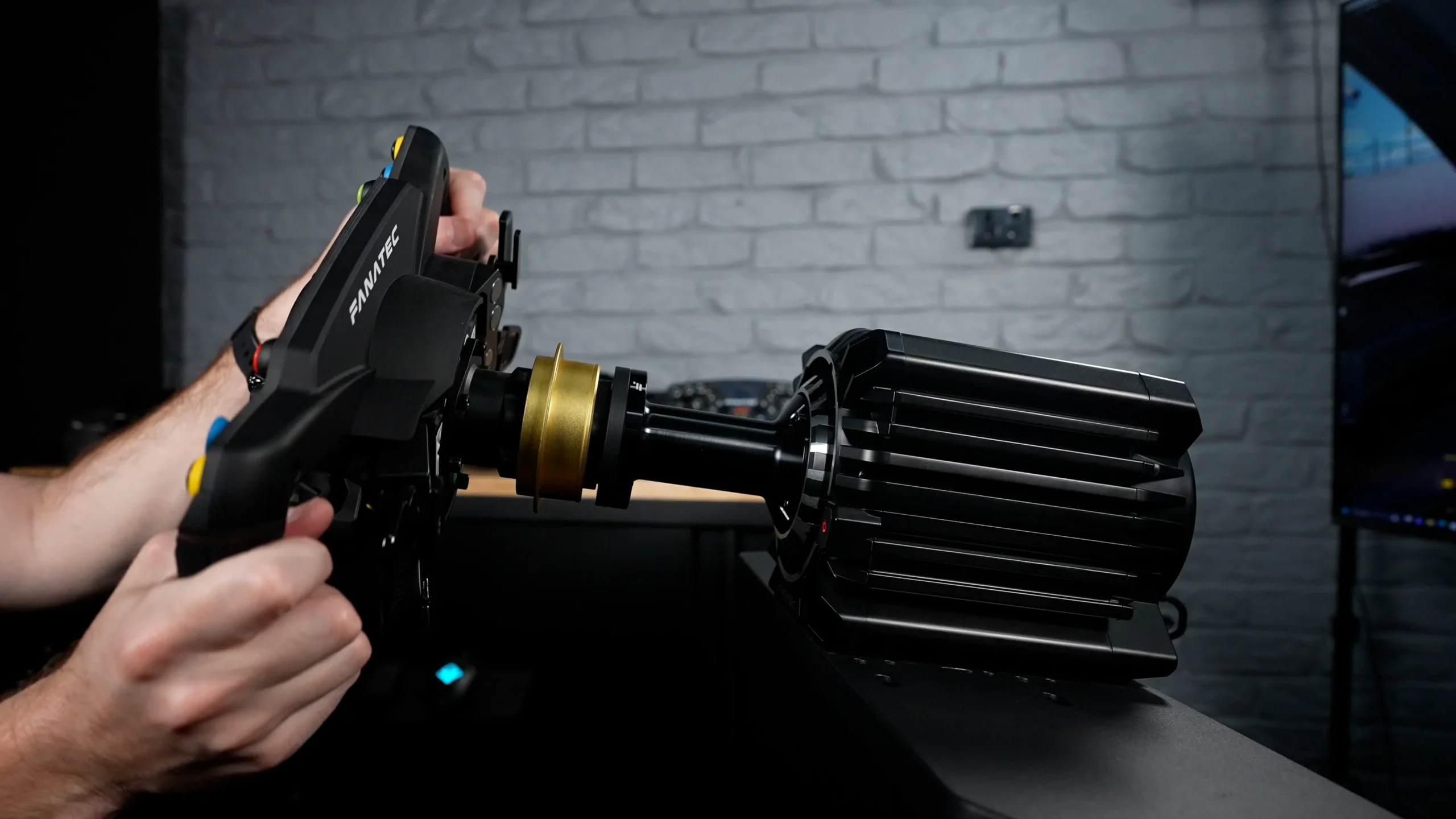
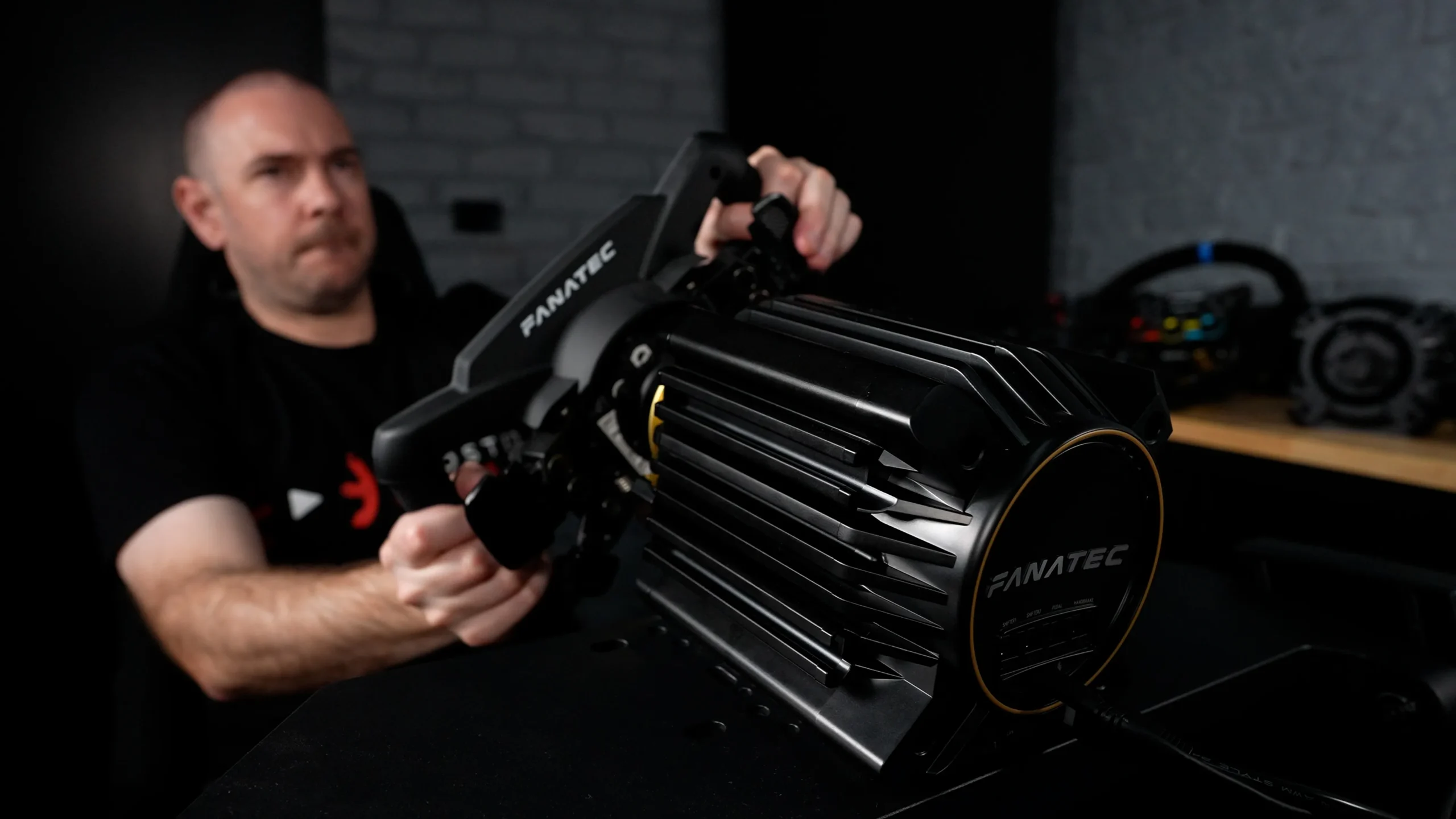
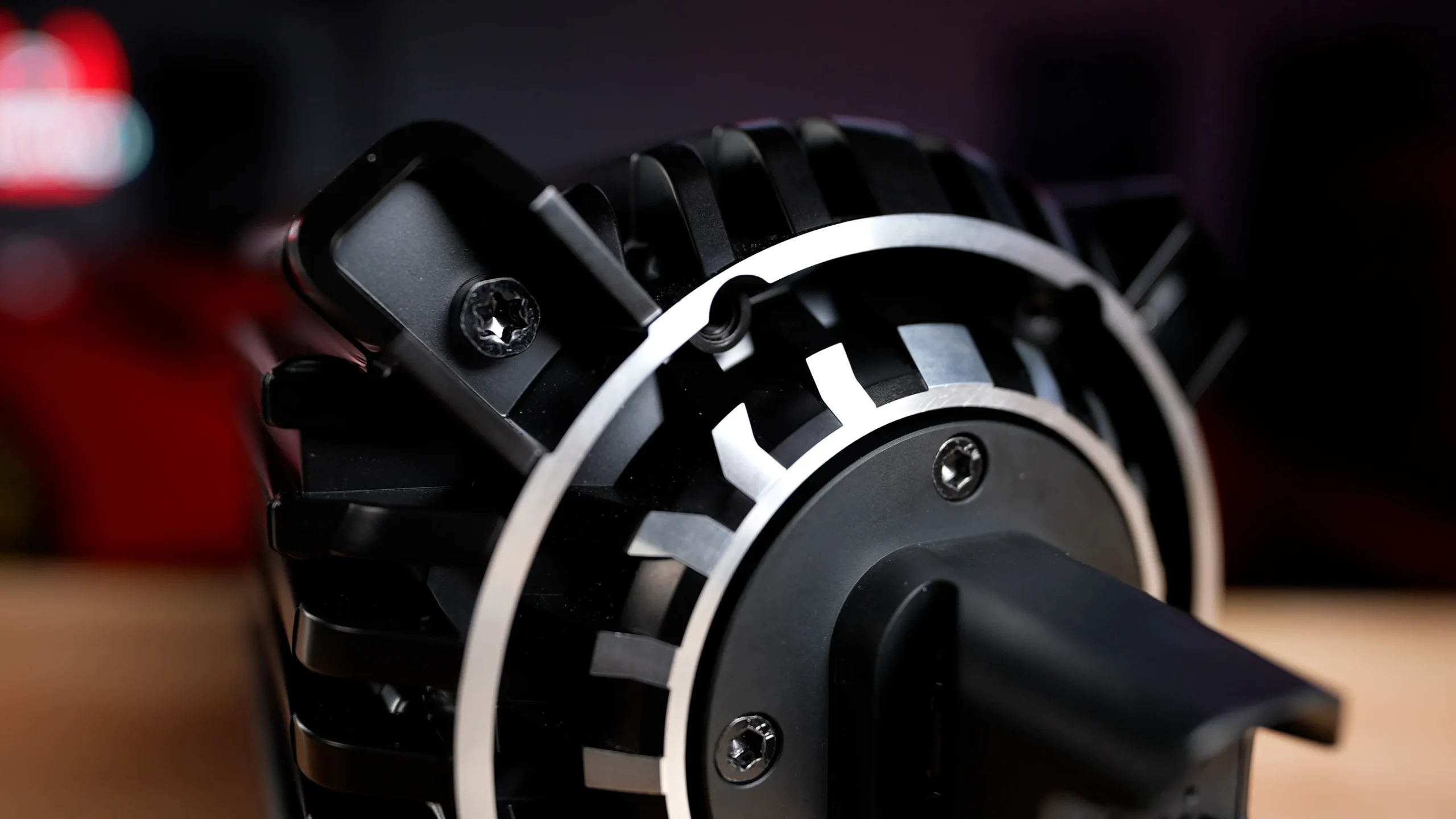
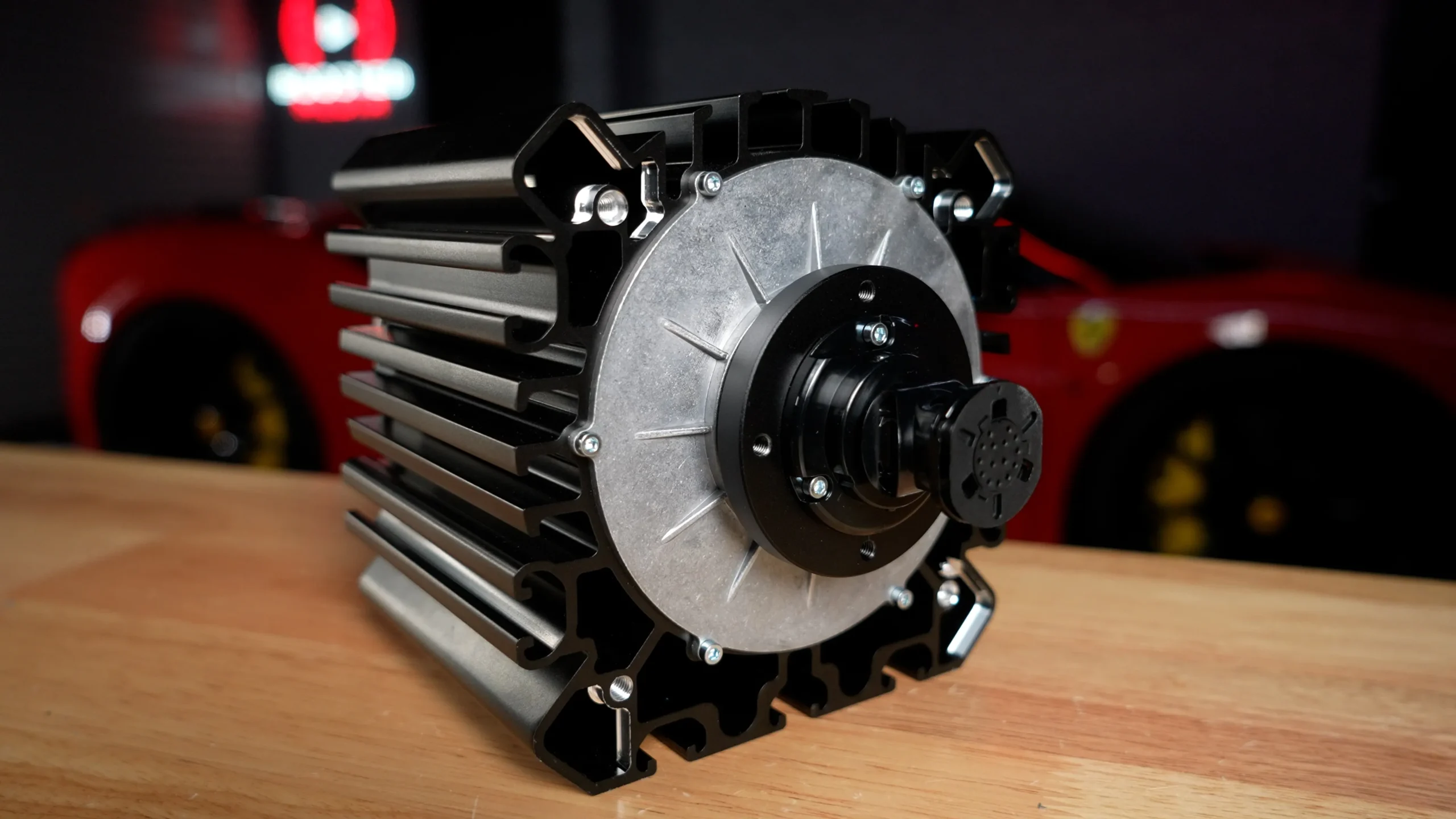
Externally, the Podium DD uses cast and machined aluminum panels front and rear, giving it a more premium feel than previous Fanatec designs. Branding is subtle, fit and finish are excellent, and the unit looks at home on a high-end rig.

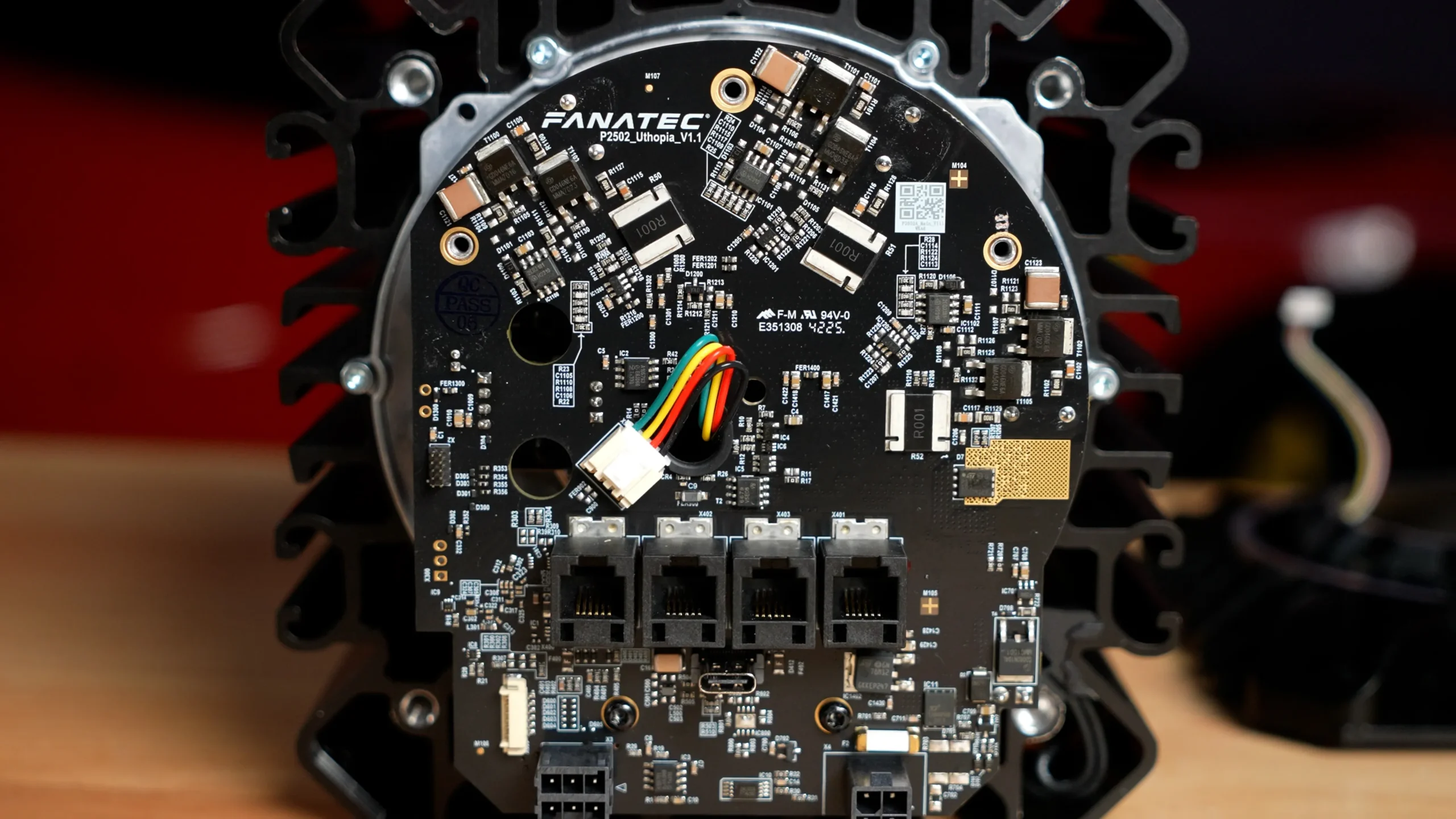
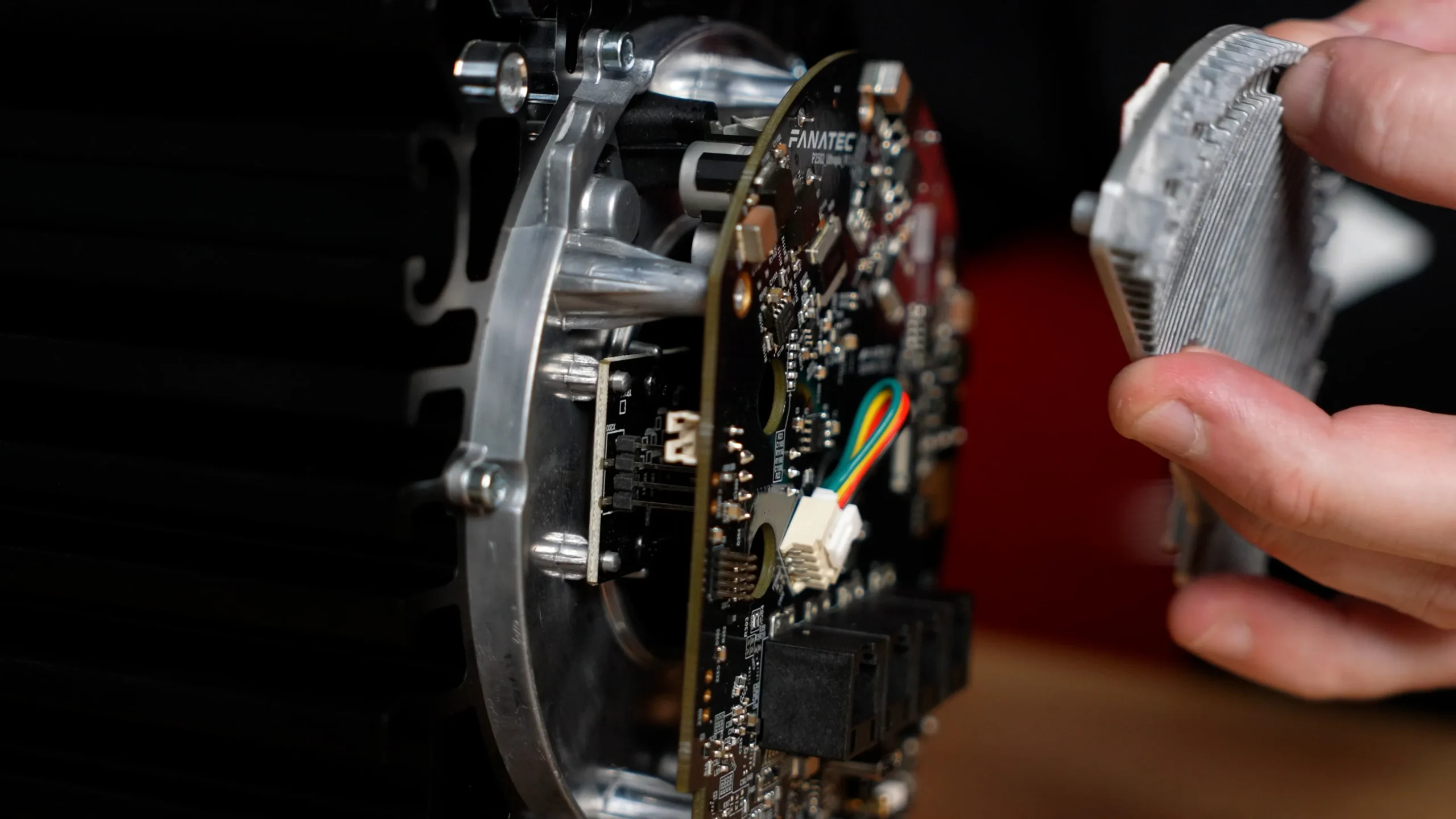
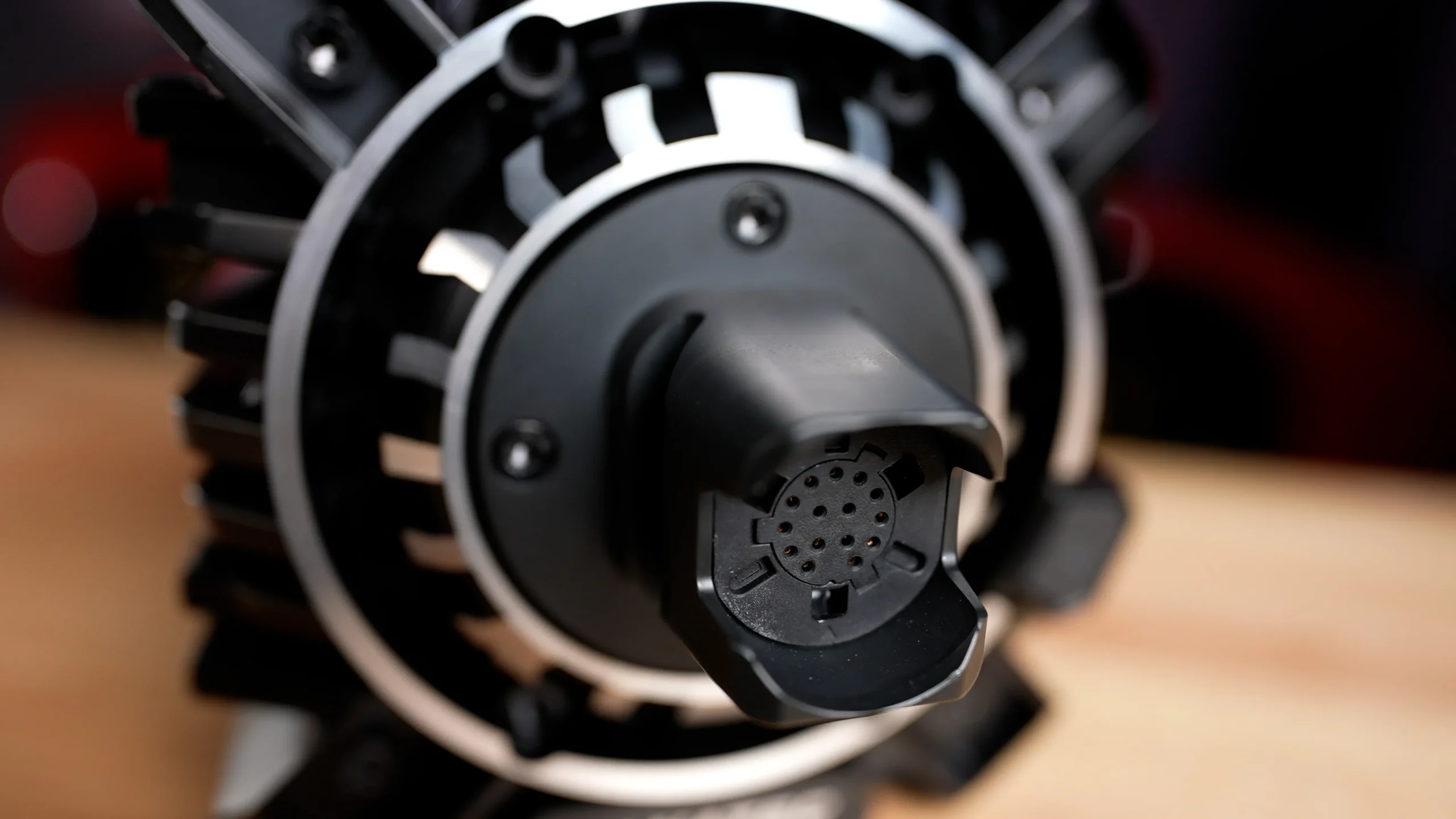
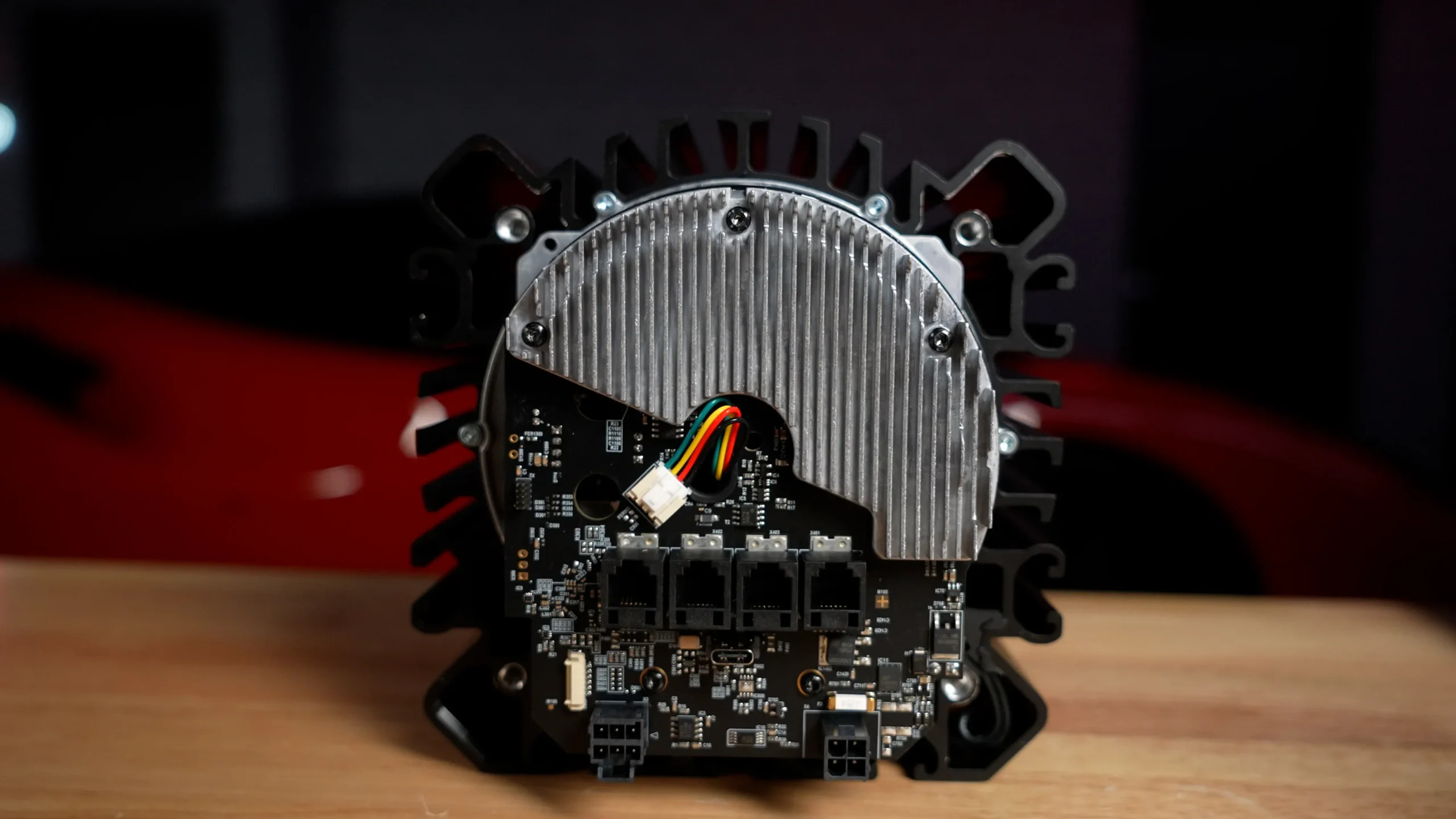
Internally, the design is clean and sensible. Power delivery is robust, cooling is entirely passive, and the additional heatsinking over the control electronics is a welcome improvement. Small but meaningful changes — such as added protection around peripheral connectors — suggest Fanatec has listened to past reliability feedback.

This isn’t quite Simucube-level industrial perfection, but it’s a clear step above Fanatec’s older Podium designs.

OVERALL Rating: 7.4/10

The Fanatec Podium DD is a strong, refined, and surprisingly well-priced high-end direct drive wheel base.

It delivers excellent force feedback quality, outstanding ease of use, and improved build quality over previous Fanatec flagships. For users already invested in the Fanatec ecosystem — or those prioritising a polished, low-friction ownership experience — it makes a lot of sense.

However, it stops short of being class-leading. The ecosystem lock-in, limited Full Force adoption, and slightly muted mid-range feedback prevent it from overtaking the very best alternatives available today.

If you want a powerful, refined wheel base that just works and you’re happy committing to Fanatec’s ecosystem, the Podium DD is easy to recommend.

If you already own a Clubsport DD+ and are satisfied with its performance, there’s no urgent reason to upgrade.

And if ultimate feedback fidelity and ecosystem freedom matter more than convenience, there are still better options elsewhere, that will come with a price.

Pros

Cons

By purchasing through links on this page you’ll be supporting Boosted Media at no additional cost to you!  This option is available for a huge range of Sim Racing gear.

Discount Code: BOOSTED5
Ships from
Gold Coast
Discount Code: BOOSTED
Ships Globally from Spain
Availability
may vary

Related Articles

Sim RACING
Discount Codes

MORE REVIEWS and Discounts

If these Sim Racing Reviews have helped you find the best racing simulator gear for your sim rig, please consider using the affiliate links on this website. By purchasing through these links, a small commission will come back to Boosted Media at no additional cost to you. This is how Boosted Media keeps providing content to the Sim Racing community.

Picture of Tom Ford

Tom Ford

Tom has been a motorsport fanatic for as long as he can remember, with a particular obsession for sim racing and high-end tech. As the primary video producer and website curator at Boosted Media, he's spent the past five years testing and reviewing hundreds of products alongside big brother Will, diving deep into the details and getting hands on experience with a huge range of gear. When he's not behind the camera or in the editing suite, you'll probably find him fine tuning his rig, and chasing lap times.