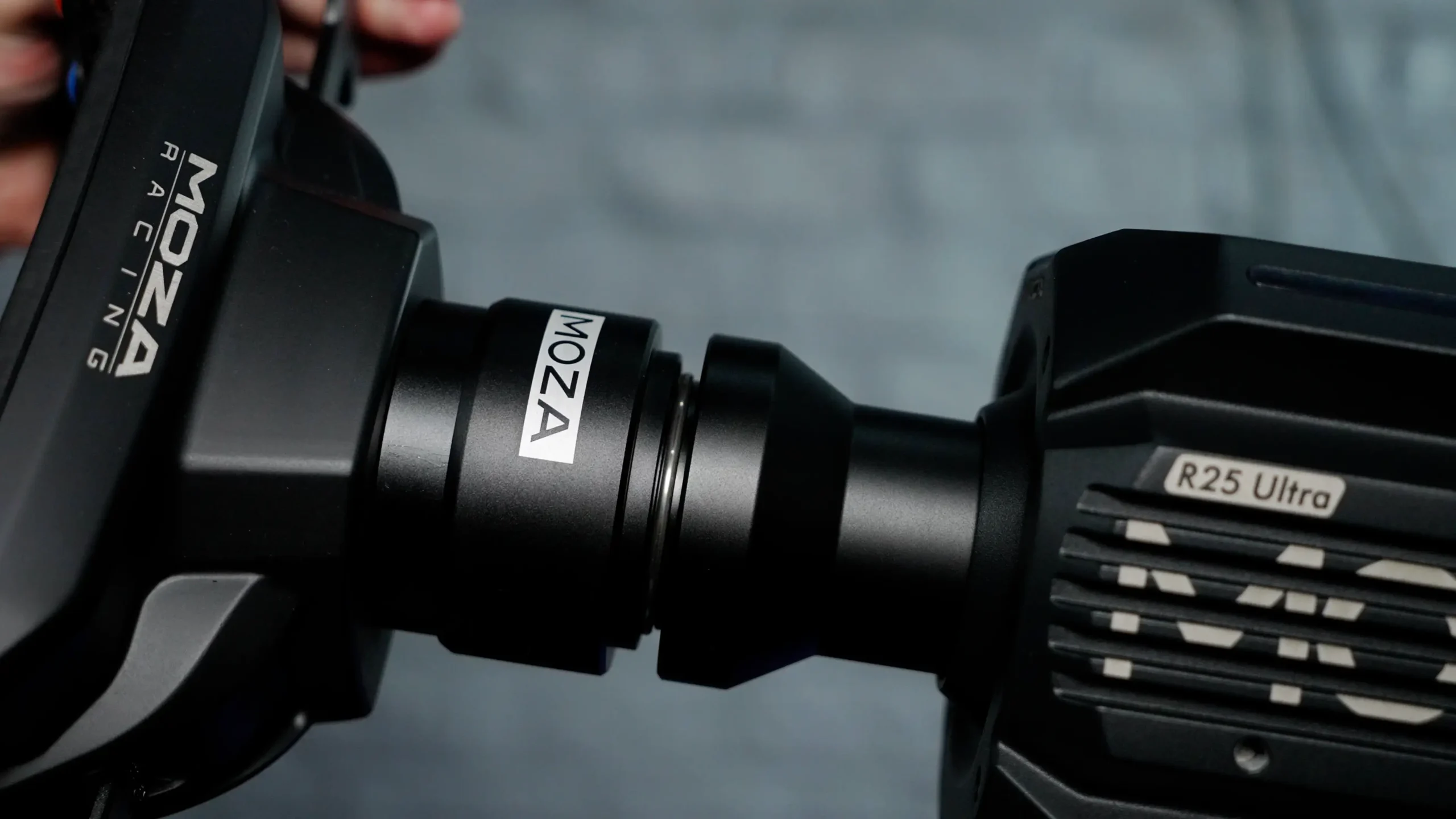





Even More Strength Than The R21 Ultra, but is it complete overkill?
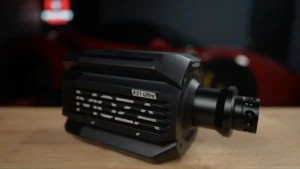
Moza’s new R21 Ultra and R25 Ultra arrive in an increasingly crowded part of the direct-drive market where for years now, manufacturers have battled to deliver the highest torque figures at the lowest prices. So the obvious question is whether the R25 Ultra offers anything meaningfully better than Moza’s other offerings, or the many alternatives at the same price point. Lets take a detailed look.
MOZA R25 Ultra Ratings
Have our MOZA reviews helped you decide what the best sim racing gear is for you?
Please consider using the links on this page to make your purchase.
By doing so you’ll be supporting Boosted Media at no additional cost to you! This option is available for a huge range of Sim Racing gear.
If our reviews have helped you decide what the best sim racing gear is for you, please consider using the links on this page to make your purchase. By doing so you’ll be supporting Boosted Media at no additional cost to you! This option is available for a huge range of Sim Racing gear.
VALUE: 7/10
Like the R21 Ultra, Huge Strength for the Money, but Not Automatically the Best Choice
At 25Nm for USD $899 or $35.96/Nm, the R25 Ultra offers more raw torque per dollar than anything else in this segment bar the Moza R21 Ultra at $33.30/Nm. But the key question is whether that strength actually benefits you. Most people don’t drive at anywhere near even the 21Nm of torque of the R21 Ultra, let alone the R25 Ultra and like the R21 Ultra, at lower force-feedback levels this base doesn’t quite feel as responsive as some weaker, similarly priced competitors including Moza’s own R12 wheelbase.
Like the R21 Ultra, if you genuinely want a high-strength wheelbase and plan to use it near the upper range, the R25 Ultra delivers excellent value. If you typically drive at much lower torque levels, you will likely be more suited to other products.
FORCE FEEDBACK QUALITY: 7/10
Refined and Consistent, a Solid Step Forward for Moza
The R25 and R21 Ultra deliver a more refined force-feedback experience than previous Moza bases. They are both smoother, carry more subtle detail, and no longer need the heavy filtering that earlier Moza hardware relied on to hide underlying roughness.
The improvement is noticeable, but not game-changing. It’s a solid step forward rather than a generational leap, and the wheelbase only really shows its best qualities when driven at higher torque levels. At more typical mid-strength settings, the R21 and R25 Ultra don’t feel as responsive or lively as several weaker, similarly priced competitors such as the Asetek La Prima, Simagic Evo Pro, and even Moza’s own R12 wheelbase.
Where the R21 and R25 Ultra do perform well is consistency. Across the major sim titles they both produces predictable, stable force-feedback characteristics without the odd variations Moza bases have occasionally exhibited in the past. It isn’t class-leading in absolute fidelity, but it is clearly more polished and controlled than previous R21 flagship.
If you’re looking for ludicrous strength without stepping into high-end pricing, the R25 Ultra stacks up incredibly well against much more expensive products.
It’s worth noting that at the time of testing, there are issues with vague feeling force feedback around centre with both the R21 Ultra and R25 Ultra when Hands-Off Detection is enabled.
SOFTWARE & TUNING: 6/10
Capable and Feature-Rich, but Still Rough Around the Edges
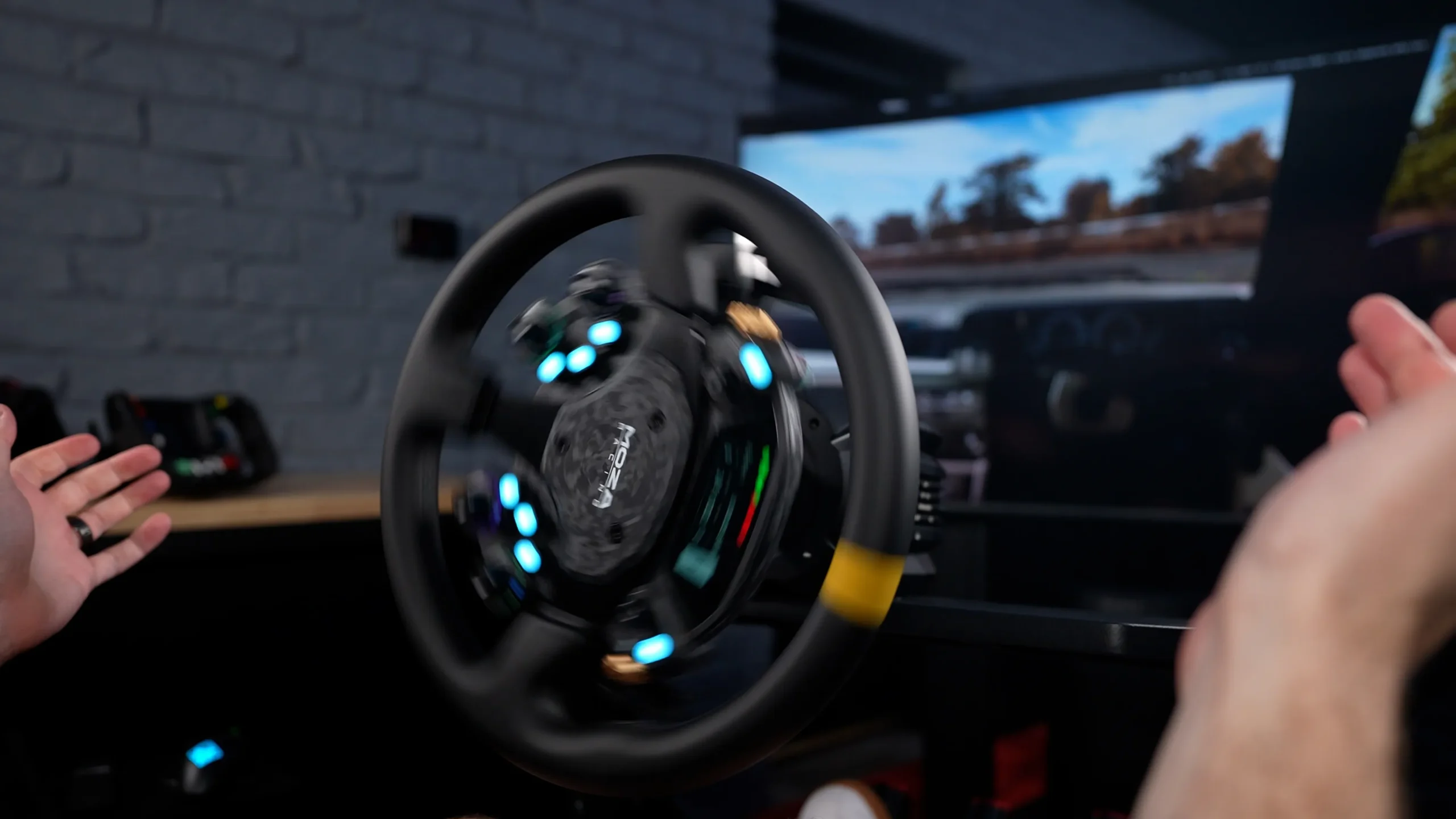
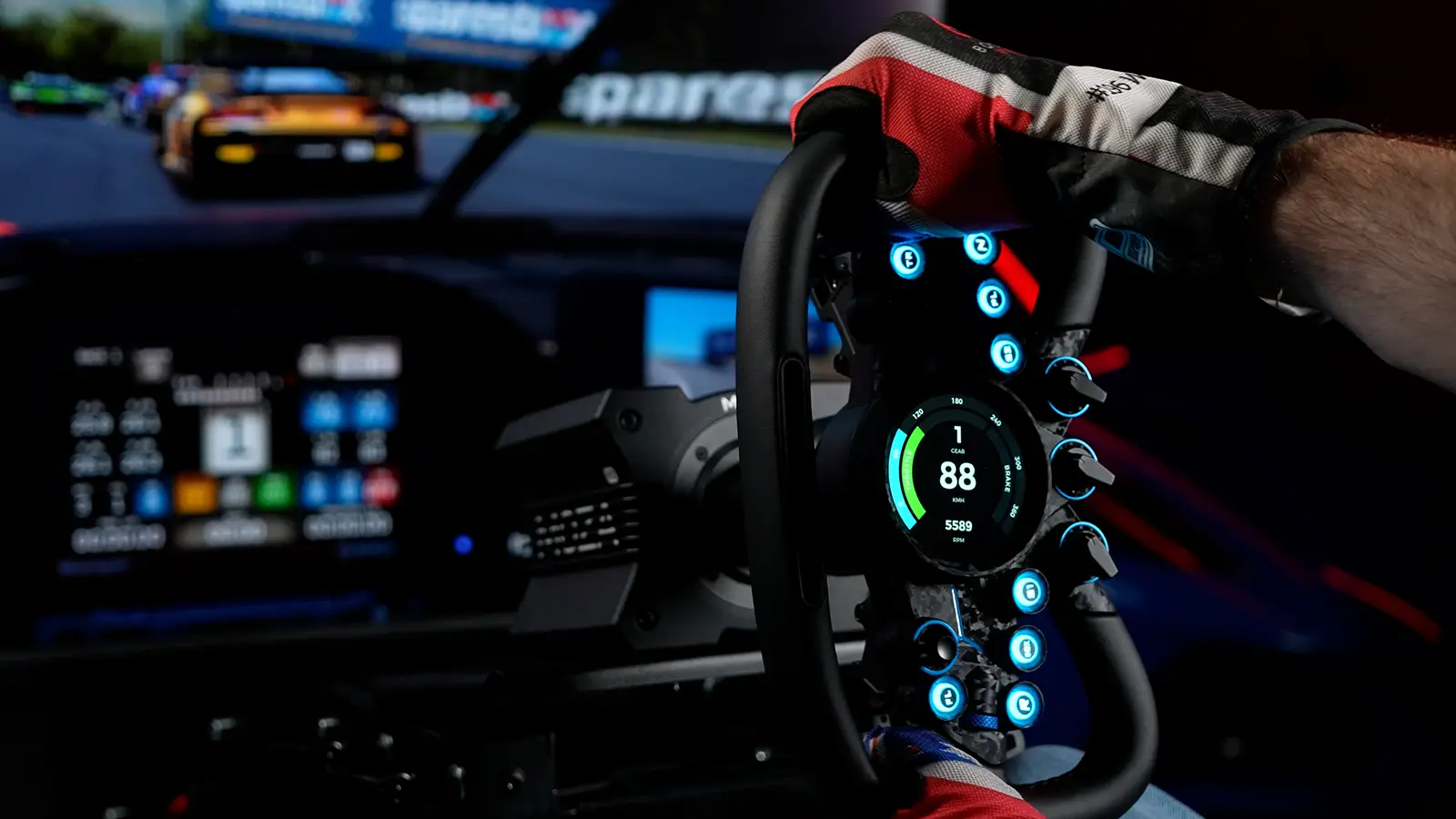
Moza’s Pit House software for the R25 Ultra is functional and offers a wide range of adjustment options, including advanced filtering, an equalisation tool for granular control of effects, telemetry-driven RGB effects, and mobile control through the app. Compatibility across sim titles is solid, and most games configure cleanly without manual setup. The wheelbase also behaves consistently across titles, which hasn’t always been the case with earlier Moza hardware. This results in far less time spent in Pit House compared to previous Moza bases.
But while the feature set is broad, the execution still feels less refined than competing ecosystems. Some settings are confusingly structured, others overlap in function, and several newer features — such as low-frequency effects — aren’t yet widely supported. (LFE is only available in iRacing at the time of writing.) The missing spotter functionality in the LED system is a missed opportunity, and the lack of SimHub LFE support limits how useful the added haptic layer can actually be.
Overall, the software gives you everything you need and a lot more to experiment with, but it doesn’t feel as polished or intuitive as the strongest offerings in the segment.
ECOSYSTEM: 7/10
An extensive Ecosystem, Held Back by the Lack of USB Passthrough
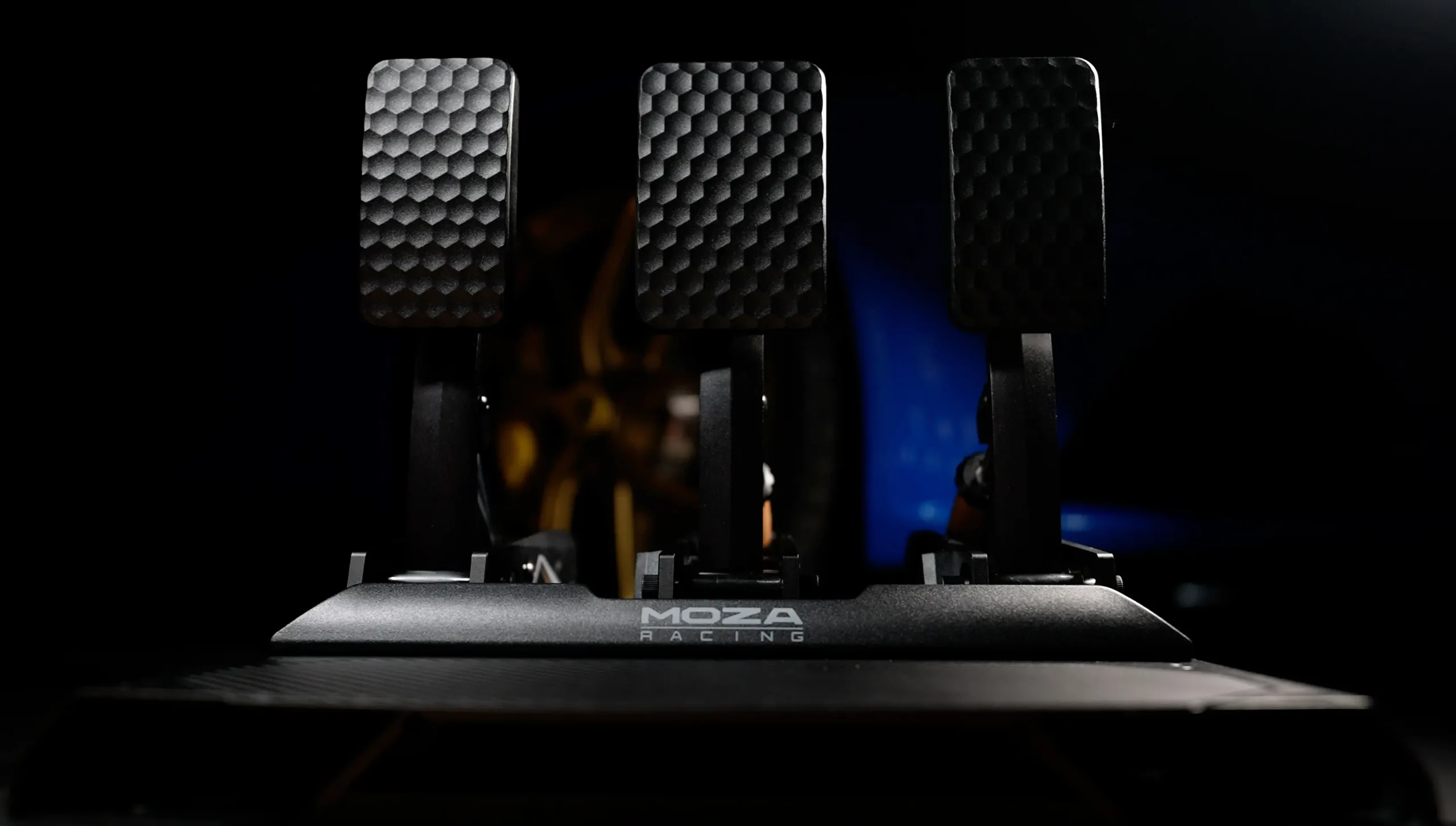
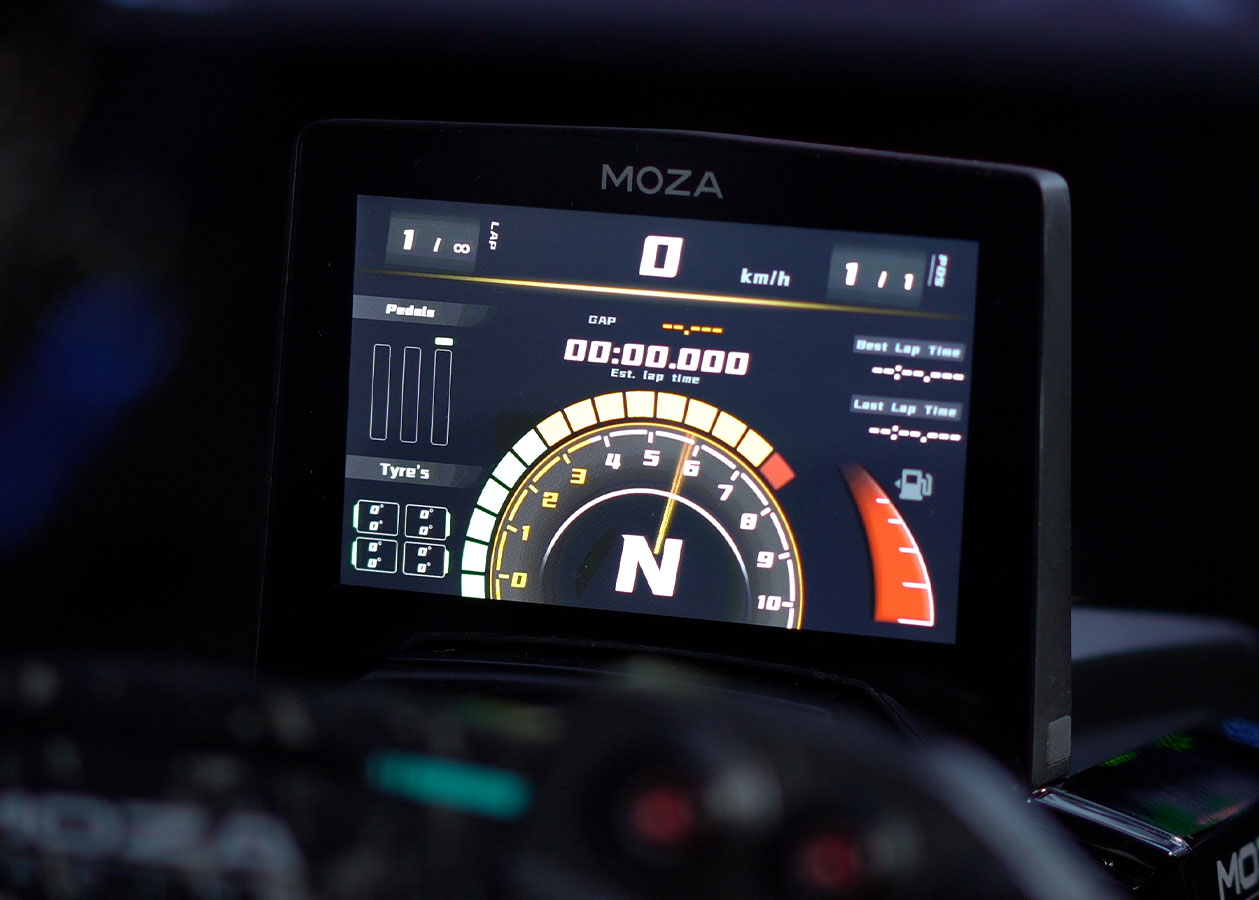
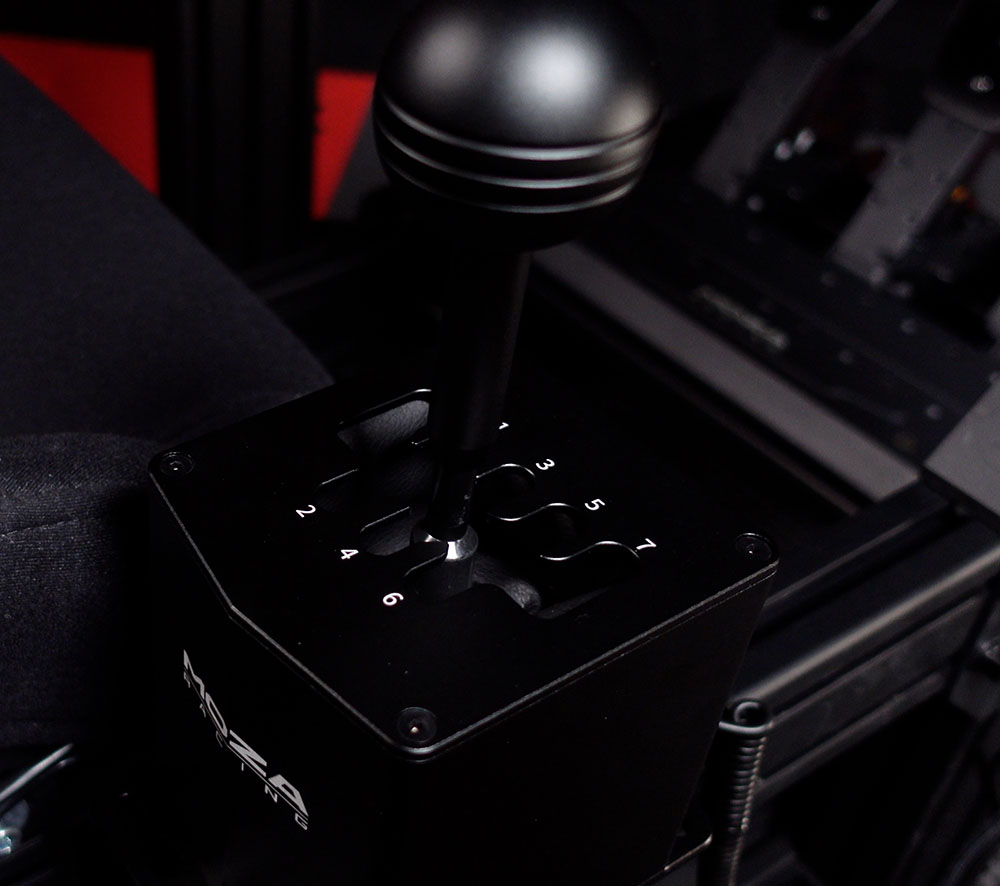
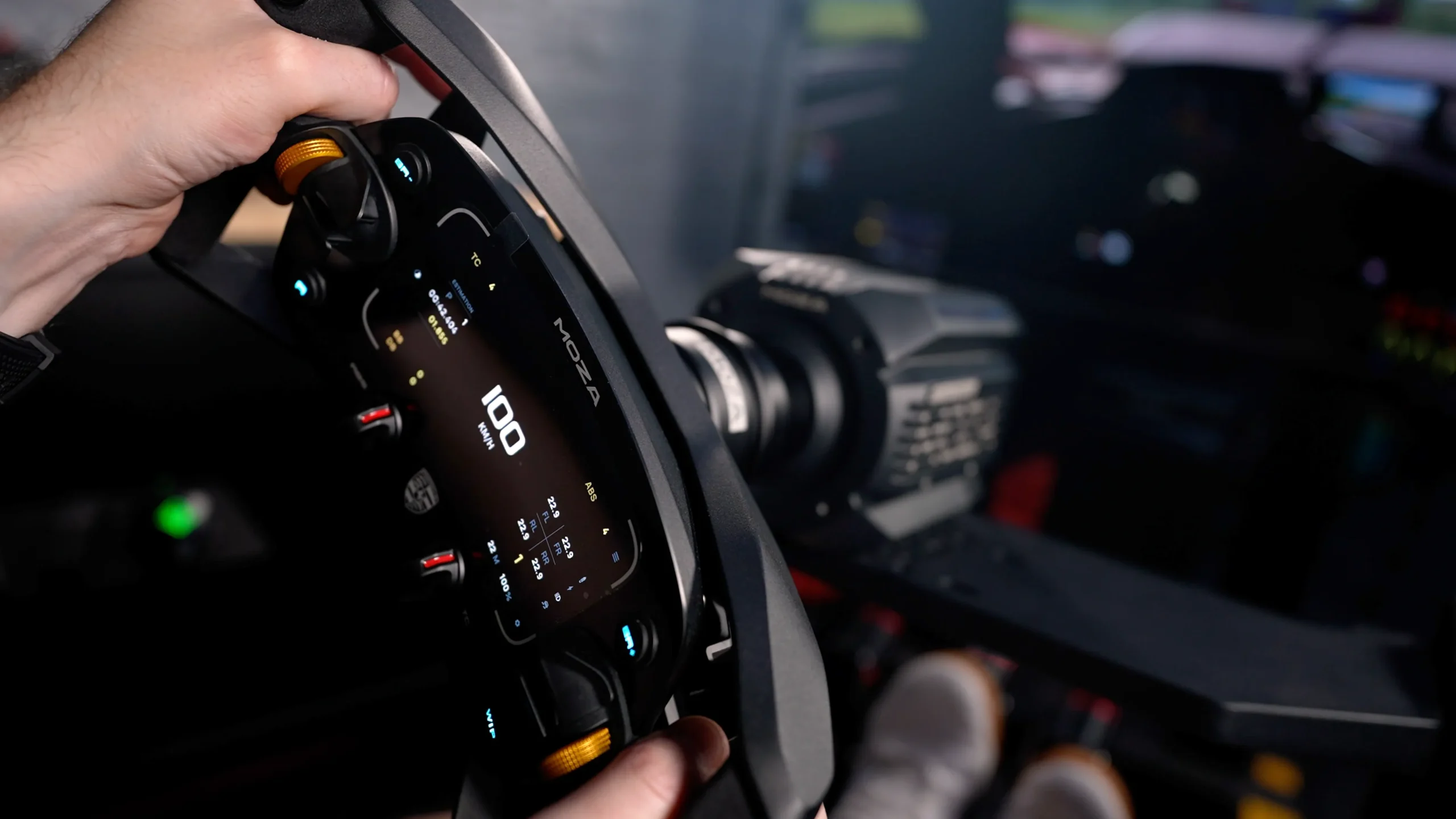
Moza’s ecosystem has expanded rapidly over the past few years, and the R25 Ultra benefits from that growth. If you want everything — wheel, pedals, shifter, handbrake, dash — to run through a single ecosystem with clean integration and unified software, Moza now offers a broad and still-growing range of hardware to build around. For users who prefer a one-brand setup, the ecosystem is in a strong place and continues to improve.
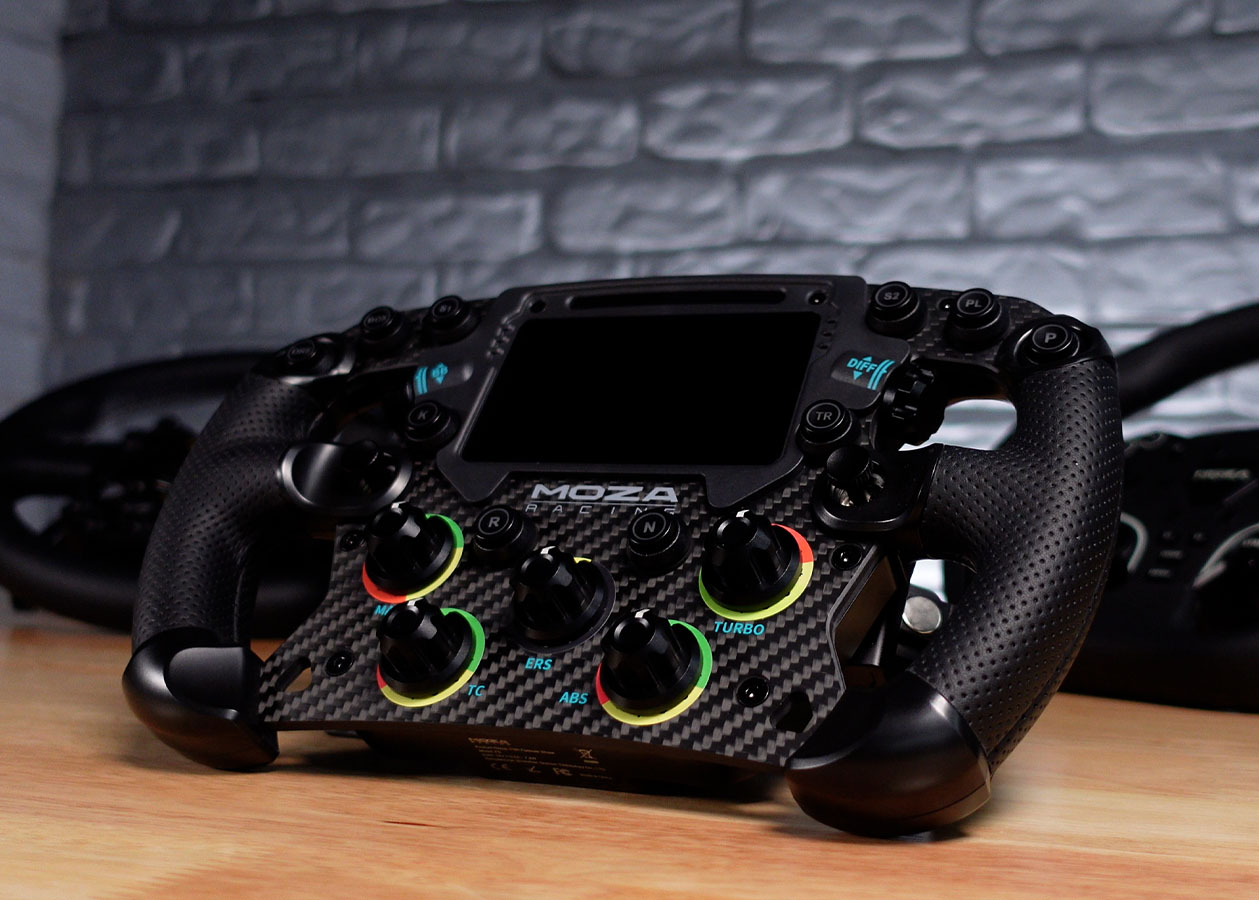
But the lack of USB passthrough on the wheelbase is a clear weakness, especially at this torque level. High-end direct-drive buyers often want to run premium third-party wheels, and without passthrough those wheels must be wired directly to the PC, losing the convenience and simplicity that ecosystems like Simagic, and Asetek now offer. This limitation also pushes users toward Moza’s own wheel selection, which visually looks the part but doesn’t offer the same switchgear quality or construction standards as the true high-end USB wheels on the market.
The result is an ecosystem that’s easy to buy into and keeps improving, but one that doesn’t yet match the flexibility or premium-level expandability expected at this performance tier.
BUILD QUALITY: 7/10
A Clean, Modern Design With a Few Minor Rough Edges
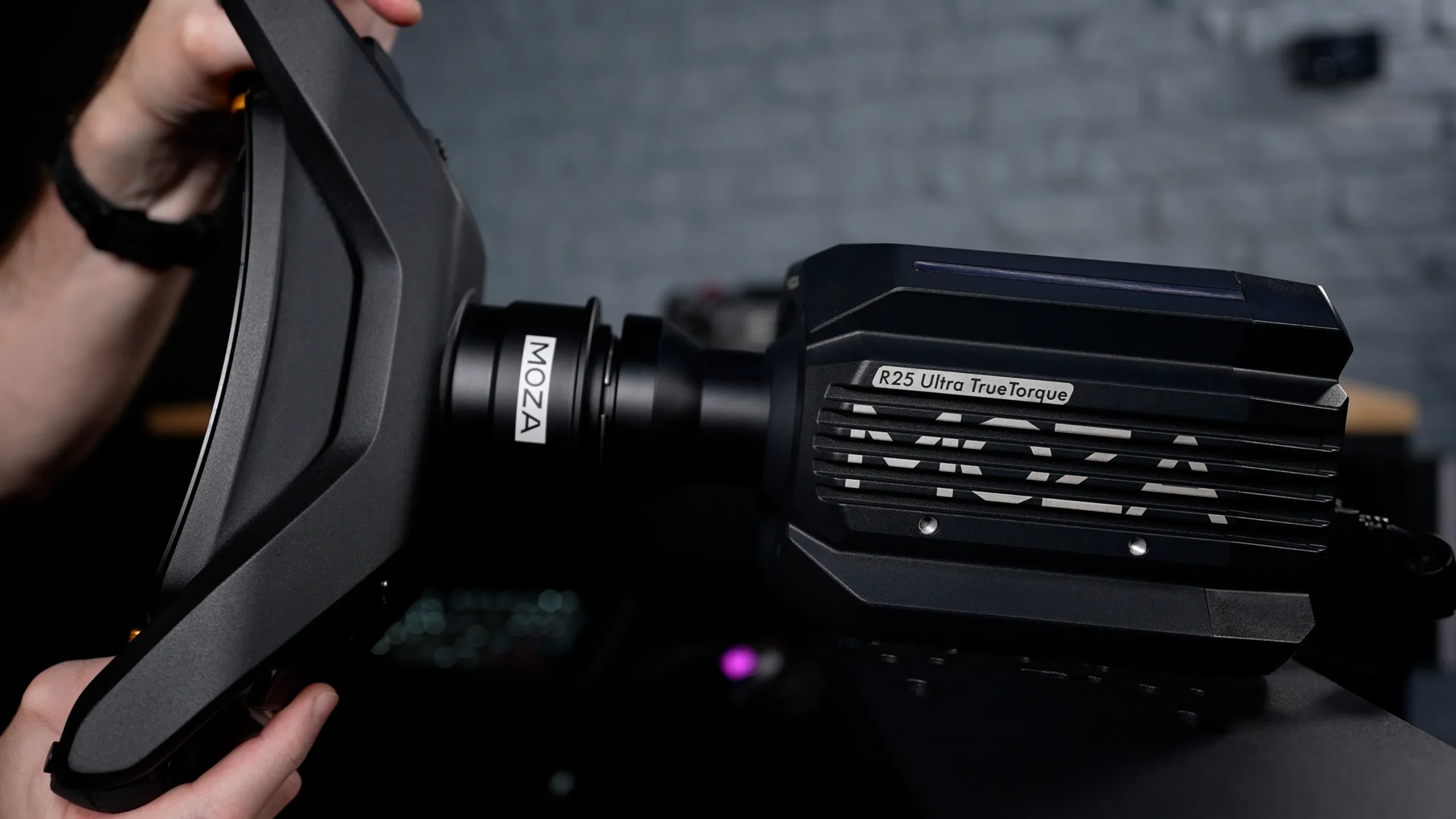
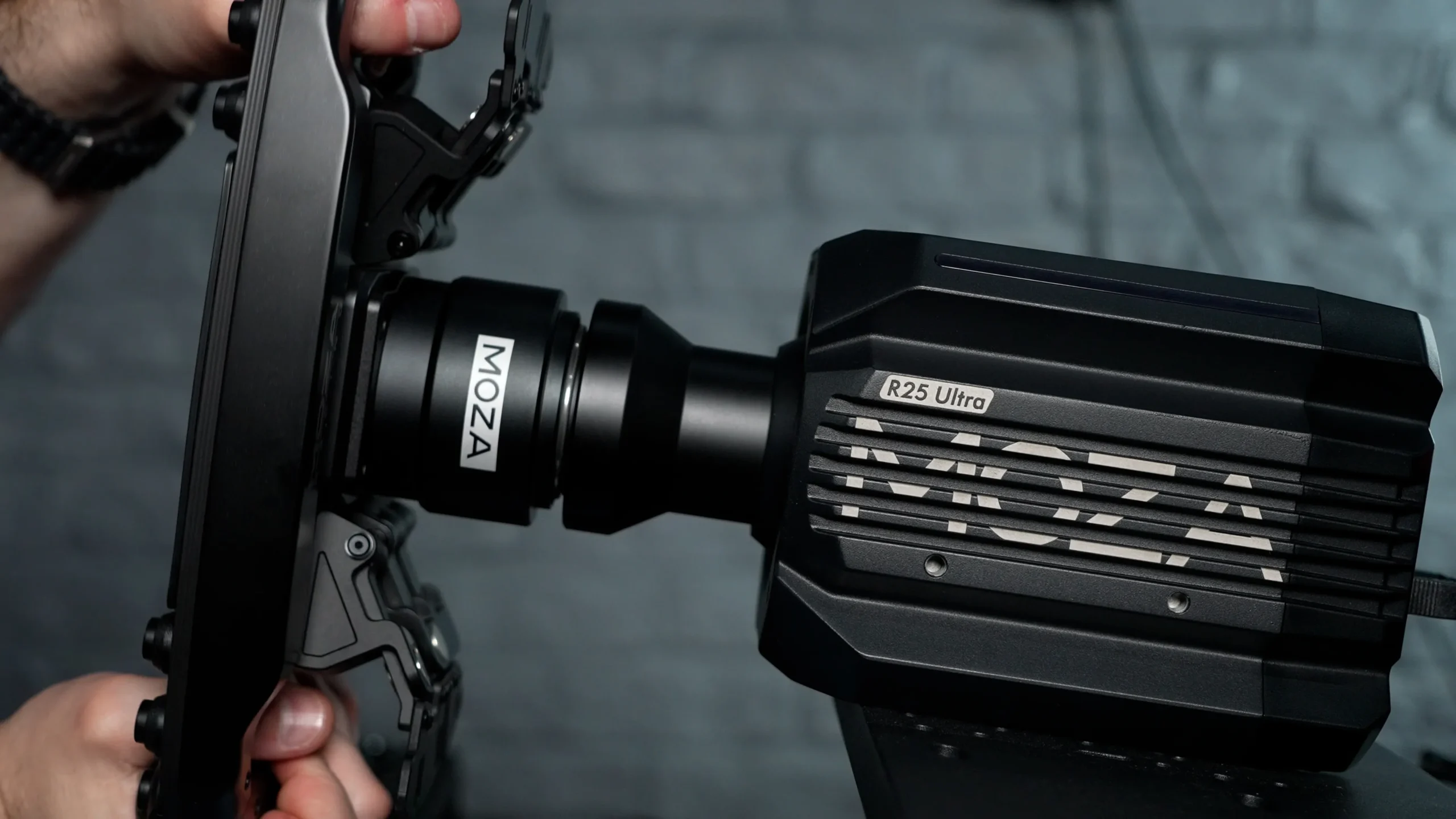
Like the R21 Ultra, the R25 Ultra is a noticeable step forward in overall presentation compared to Moza’s earlier bases. The more compact chassis looks cleaner and more mature, the machining is tidy, and the overall design feels more refined than the previous R16 and R21 units. One of the most practical improvements is the expanded mounting support: in addition to the standard Fanatec-style bottom pattern, the R21 Ultra and R25 Ultra now include side and front mounting options, making it far easier to secure on a wider range of cockpits. This is an especially important upgrade given the torque on offer.
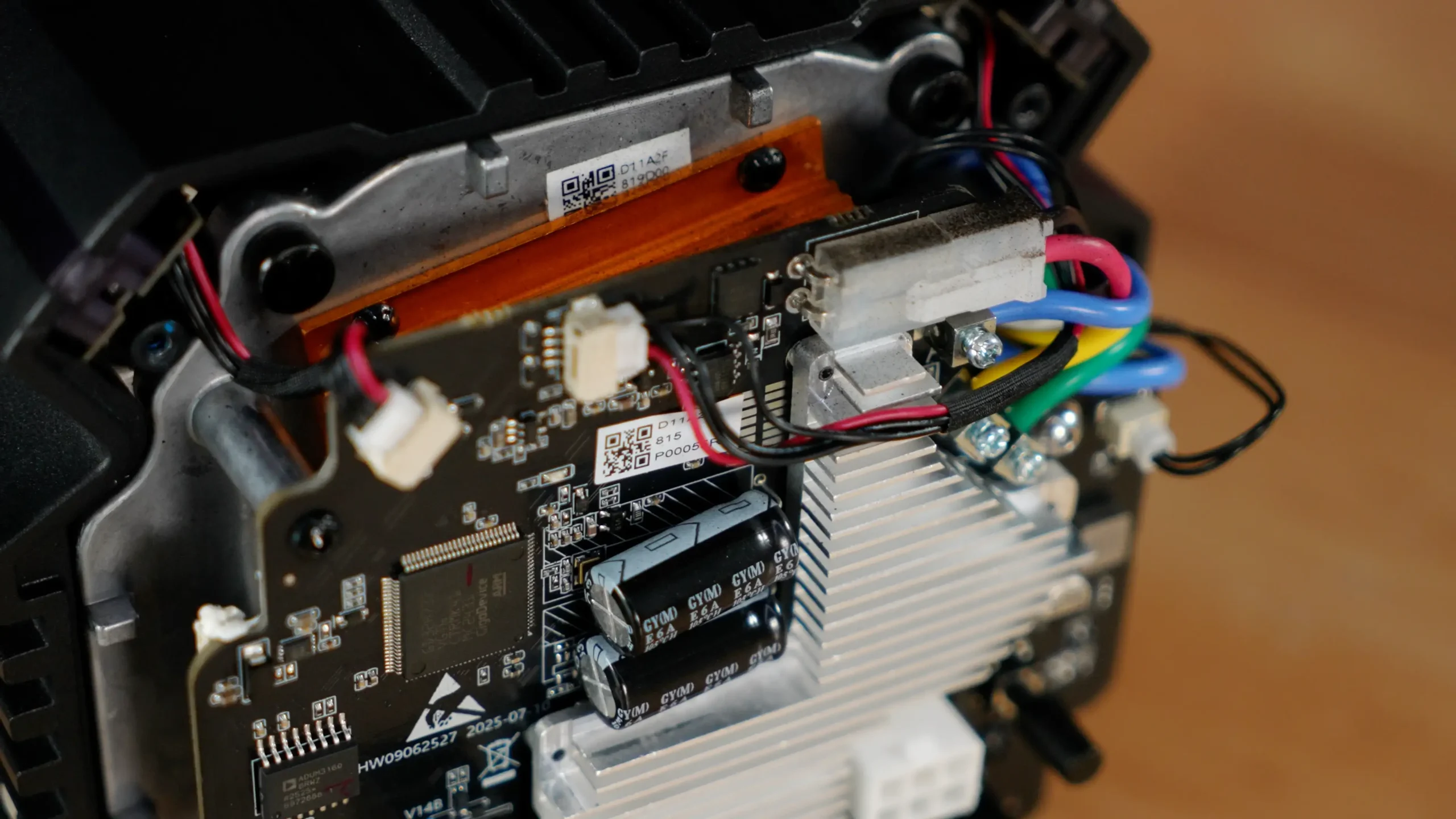
The motor feels smooth even unpowered, and using proper screw terminals for the motor phases is a welcome improvement over soldered connections. The braking resistors are mounted directly to the motor housing for better heat dissipation, and the power supply is not only smaller than previous generations but also comes with a significantly longer cable, making installation cleaner.
There are, however, a few small shortcomings that keep the R25 Ultra from feeling truly high-end. The finish appears to be spray-painted rather than powder-coated, and overspray on internal components suggests QC isn’t quite at the level of premium alternatives. Some internal cabling is on the flimsy side—adequate for its purpose, but not as robust as more expensive competitors.
Overall, the design is solid and clearly improved, with versatile mounting options and no major red flags. It simply sits a tier below the very best bases in terms of finish and refinement.
OVERALL Rating: 6.8/10
A High-Power Wheelbase With Excellent Value… If You Actually Need the Strength
Like the R21 Ultra, the R25 Ultra is a well-refined wheelbase that delivers huge strength for the money and a driving experience that’s smoother and more consistent than previous Moza releases, and for those who genuinely want to drive at higher torque levels, it stacks up quite well against far more expensive products.
But the headline strength figure can also be misleading. Most people don’t drive anywhere near the 21Nm of the R21 Ultra, and at typical mid-torque settings (10–14Nm) neither the R21 Ultra or R25 Ultra feel as responsive or as lively as several weaker, similarly priced competitors. The lack of USB passthrough also limits wheel options at a performance tier where buyers often want to run premium third-party wheels. And while Pit House continues to improve, the software still isn’t as clean or intuitive as the top ecosystems.
Taken as a whole, the R25 Ultra is a solidly built, very powerful wheelbase that offers excellent value, provided you actually need the strength it delivers, but we question who this wheelbase is actually for when the R21 Ultra is $200 cheaper and already overkill for most drivers.
For mid-torque users, there are alternatives that feel more refined at the levels you’ll spend most of your time driving. For those specifically chasing extreme force-feedback without paying extreme prices, the R25 Ultra is one of the strongest options on the market, but we believe the R21 Ultra to be the better value proposition overall.
Pros
- Exceptional strength for the money — 25Nm at this price is unmatched
- Refined force-feedback — smoother and more consistent than previous Moza bases
- Minimal filtering required
- Growing Moza ecosystem for users who prefer a one-brand setup
- Longer power cable and smaller PSU than previous R21/R16 models
Cons
- Weaker responsiveness at mid-torque settings
- No USB passthrough, limiting compatibility with premium third-party wheels
- Spray-painted finish and minor overspray issues
- Software still unrefined, with overlapping/unclear settings
- Low-frequency effects only supported in iRacing, and no SimHub LFE support
- Issues with vague FFB when using Hands-Off Detection at time of testing
Have our MOZA reviews helped you decide what the best sim racing gear is for you?
Please consider using the links on this page to make your purchase.
By doing so you’ll be supporting Boosted Media at no additional cost to you! This option is available for a huge range of Sim Racing gear.
Related Articles

Moza R21 Ultra Direct Drive Wheel Base – Detailed Review
More Strength for the Money Than Anything Else, But Does 21Nm of torque Actually Make the MOZA R21 Ultra a Better Wheelbase? Moza’s new R21

Logitech G RS50 Direct Drive Wheelbase – Detailed Review
The RS50 is Logitech’s first serious alternative to the Fanatec GT DD Pro for PlayStation users in this price category.—and offers a superior driving experience
Asetek Initium Entry Level Direct Drive Bundle – Detailed Review
When it comes to value, the Asetek Initium range makes a strong case as either a first step into direct drive or an upgrade from
PXN VD Series Direct Drive Wheel Bases – Detailed Review
PXN’s new VD Series marks the company’s first serious step into the direct drive wheelbase market. The lineup consists of three bases – the VD4,

VRS Direct Force Pro 15 (DFP15) Review
VRS are best known for their load cell pedals, driver development tools, and coaching systems — but their original DirectForce Pro 20Nm wheelbase also made

Simagic Alpha Evo Direct Drive Wheel Bases – Detailed Review
Today we share our thoughts after extensively testing the brand new Simagic Alpha Evo wheel bases. Arguably the most exciting direct drive wheel bases to
Sim RACING
Discount Codes
MORE REVIEWS and Discounts
If these Sim Racing Reviews have helped you find the best racing simulator gear for your sim rig, please consider using the affiliate links on this website. By purchasing through these links, a small commission will come back to Boosted Media at no additional cost to you. This is how Boosted Media keeps providing content to the Sim Racing community.