High-end VR is finally good enough to challenge triple screens, but that does not mean it is the right choice for every sim racer.
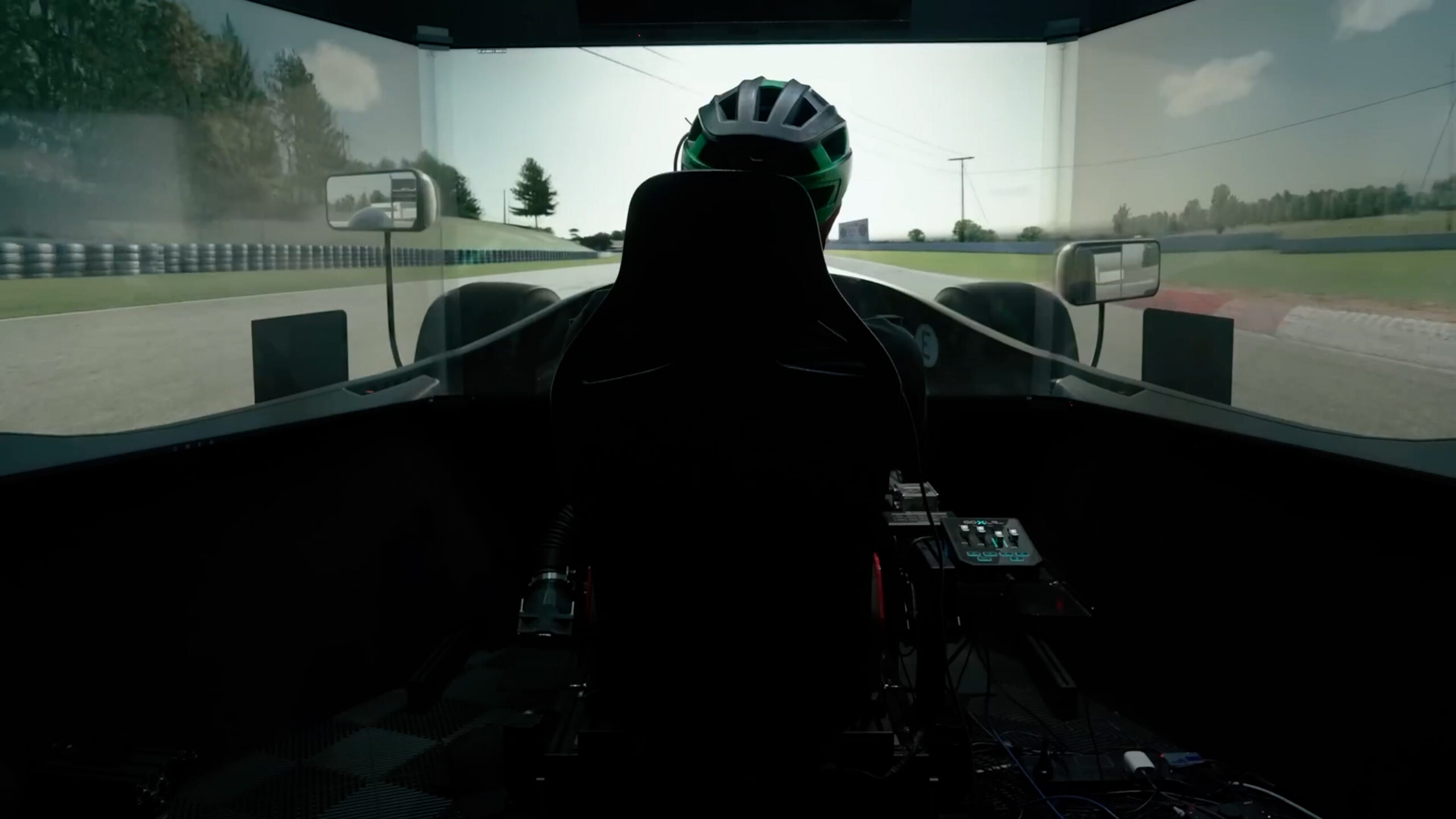
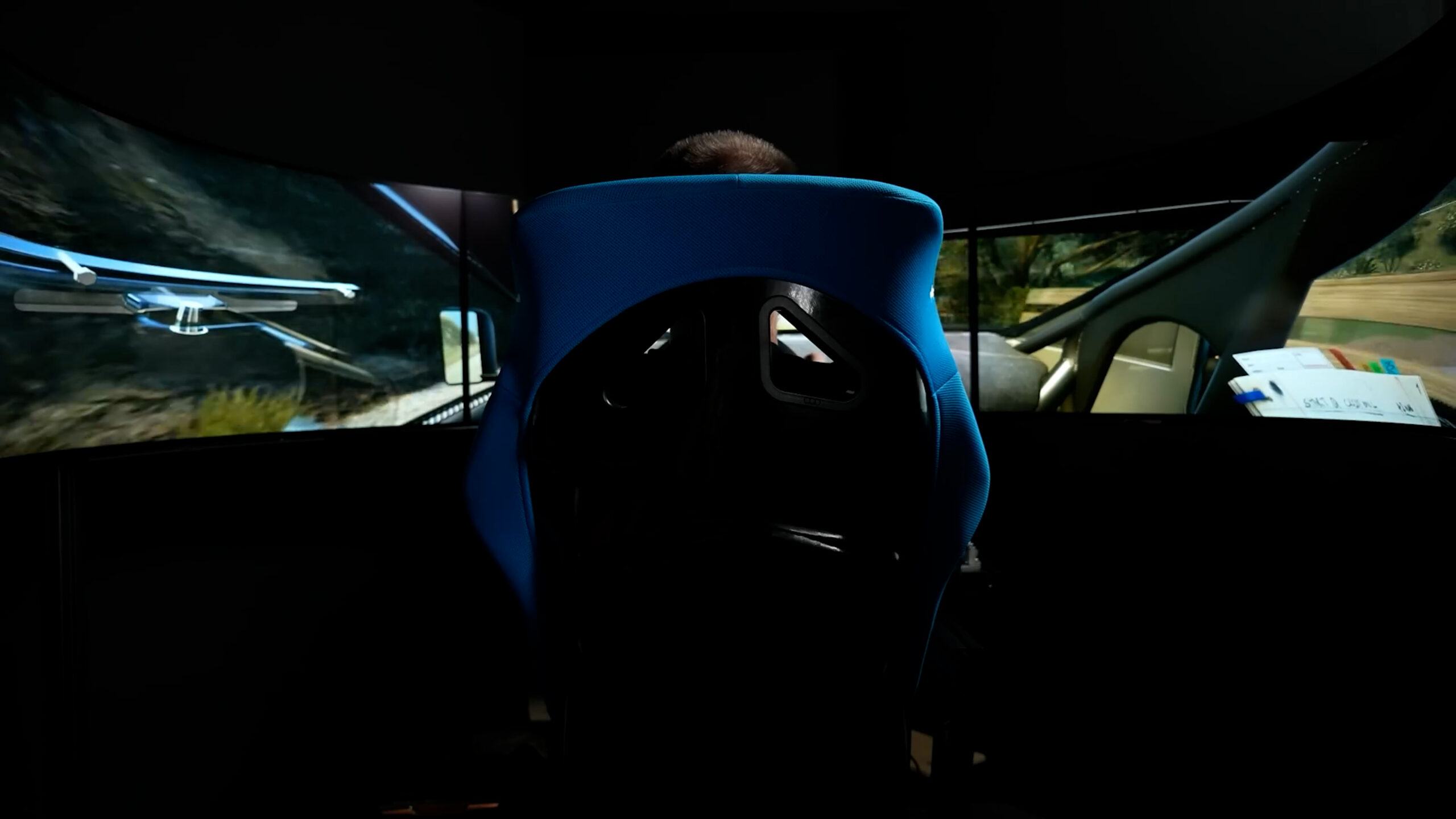
VR versus triple screens has been one of sim racing’s biggest debates for as long as i can remember. VR gives you true depth perception and the feeling of sitting inside the car. Triples are easier to live with, easier to use with physical controls, and still extremely effective when set up properly.
The reason this is worth revisiting in 2026 is that high-end VR has improved a lot. Better resolution, better optics and lighter headsets have addressed many of the issues that used to push people back to monitors.
But this still is not a simple case of one being better than the other. The right choice depends on your space, PC hardware, comfort with VR, and how you actually use your rig.
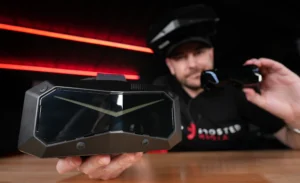
For this guide, we thoroughly tested the latest high-end headsets from Bigscreen and Pimax to understand their strengths, weaknesses, and who they are best suited to.
VR HEADSETS USED FOR THIS GUIDE
If this guide or any of our detailed reviews have helped you choose the right gear, please consider using the links on this page when making a purchase. A small percentage of the sale comes back to us and helps support our work, often while giving you access to discount codes across a wide range of brands.
Pimax Dream Air Lighthouse
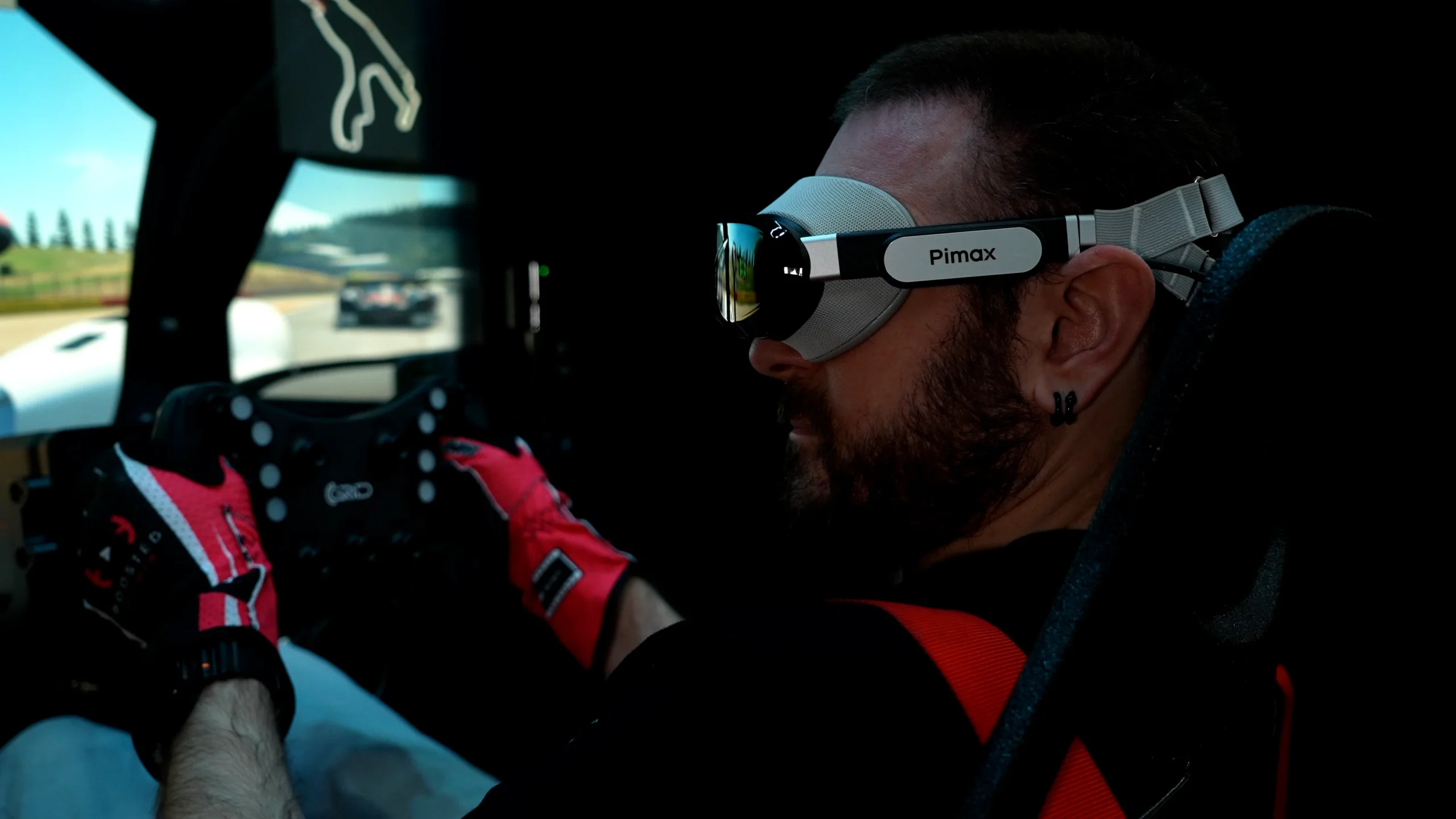
Pimax Dream Air SLAM
Pimax Crystal Super 8K Micro-OLED
Bigscreen Beyond 2e
Why Triple Screens Still Work So Well
Triple screens remain popular because they solve a lot of practical problems. A good setup gives you a wide, natural field of view, lets you glance across to mirrors and out your windows, and keeps your physical controls, button boxes, dashboards and keyboard visible.
The key is being sensible with screen size. Huge displays can look impressive, but after trying just about every setup you can think of, I believe the sweet spot for most sim racers is still triple flat screens somewhere around 30 to 40 inches. That gives you strong immersion without creating an enormous footprint or introducing the alignment issues that come with oversized screens.
Triples are still a proven way to be fast, consistent and comfortable. They may not give you true 3D depth perception, but when set up properly, they remain one of the easiest display solutions to live with day to day, while still offering a huge upgrade in immersion and spatial awareness over a single screen.
Why Parallax and Depth Perception Matter
VR’s biggest advantage is that it places you inside the car rather than in front of it. As you move your head, the world moves naturally around you, which gives your brain the parallax and depth cues it expects from the real world.
That matters because judging distance is not just about seeing a braking marker on a screen. It is about understanding how quickly that marker is approaching, where the apex sits in relation to the car, and how much space you have around other drivers. On screens, you can learn those references and become extremely fast, but in VR they can feel more instinctive because your brain has proper spatial information to work with.
The Practical Problems With VR
The trade-off is that VR can be more awkward to live with. Comfort varies heavily from person to person, and even modern headsets can introduce issues like motion sickness, eye fatigue, heat, sweat, lens fogging or pressure from having the headset strapped firmly to your face.
It also changes how you interact with the rig. You cannot naturally see your hands, button boxes, keyboard, shifter or handbrake, so you have to learn your controls by feel. That can work perfectly well once you are used to it, but it is still less convenient than simply looking down and pressing the right button.
The difference becomes even more obvious outside the driving itself. Discord, race control tools, league admin, setup changes and general PC use are all much easier on screens. VR is at its best once you are on track; triples are usually easier for everything around the driving.
VR can however simplify the physical rig. You do not need large monitor stands, separate dashboards or as many visual add-ons around the cockpit, because much of that information can exist inside the headset. For the right user, that can mean a more compact and focused sim racing setup.
What Has Changed With High-End VR in 2026
The reason VR feels different in 2026 is that several problems have improved at the same time. Higher-resolution panels have reduced the screen door effect, better optics have made more of the image usable, and lighter headset designs have resulted in less visual performance issues from headsets bouncing around, and made longer sessions much more realistic.
That combination matters. A headset can have impressive resolution, but if it is heavy, hot or only sharp in a tiny sweet spot, it still becomes fatiguing. Likewise, a lightweight headset is not enough if the image is soft or your eyes are constantly trying to resolve distant detail.
The latest high-end headsets from Bigscreen and Pimax show how far the technology has come. They are still expensive, and not every part of the experience is perfect, but the best examples now feel less like an impressive novelty and more like something you could genuinely use as your main sim racing display.
Field of View, Sweet Spot and Looking Around
Field of view is one area where the comparison is not as simple as it first sounds. A good triple-screen setup can give you excellent horizontal coverage, and because the screens are fixed in front of you, you can glance across to mirrors, apexes and side windows with your eyes much like you would in a real car.
VR gives you a proper 3D environment, but many headsets still have a more restricted usable field of view. The image may be sharp in the centre, then become softer or more distorted toward the edges, which means you often end up moving your head more than your eyes to check mirrors or look around the cockpit.
Wider-field-of-view headsets can help, but they usually come with their own compromises in size, weight, optical clarity or distortion. That is why the best VR experience is not just about the biggest field of view number on a spec sheet. It is about how much of that view is actually clear, comfortable and usable while driving.
PC Performance and Frame Rate Requirements
VR is usually harder to run than a comparable triple-screen setup. Even when the pixel count looks similar on paper, VR often places a heavier load on the system because of how the scene has to be rendered for each eye.
In our experience, running VR at a similar vertical resolution can be roughly 20 to 30 percent more demanding than running triple screens, although that will vary depending on the sim, headset, settings and PC hardware. That extra load matters because frame rate stability is far more critical in VR.
On screens, a dip in frame rate might be annoying. In VR, inconsistent frame timing can quickly become uncomfortable and may contribute to motion sickness. If you are looking at high-end headsets, the headset itself is only part of the cost. You also need the PC hardware to drive it properly.
Tracking, Setup and Your Rig Environment
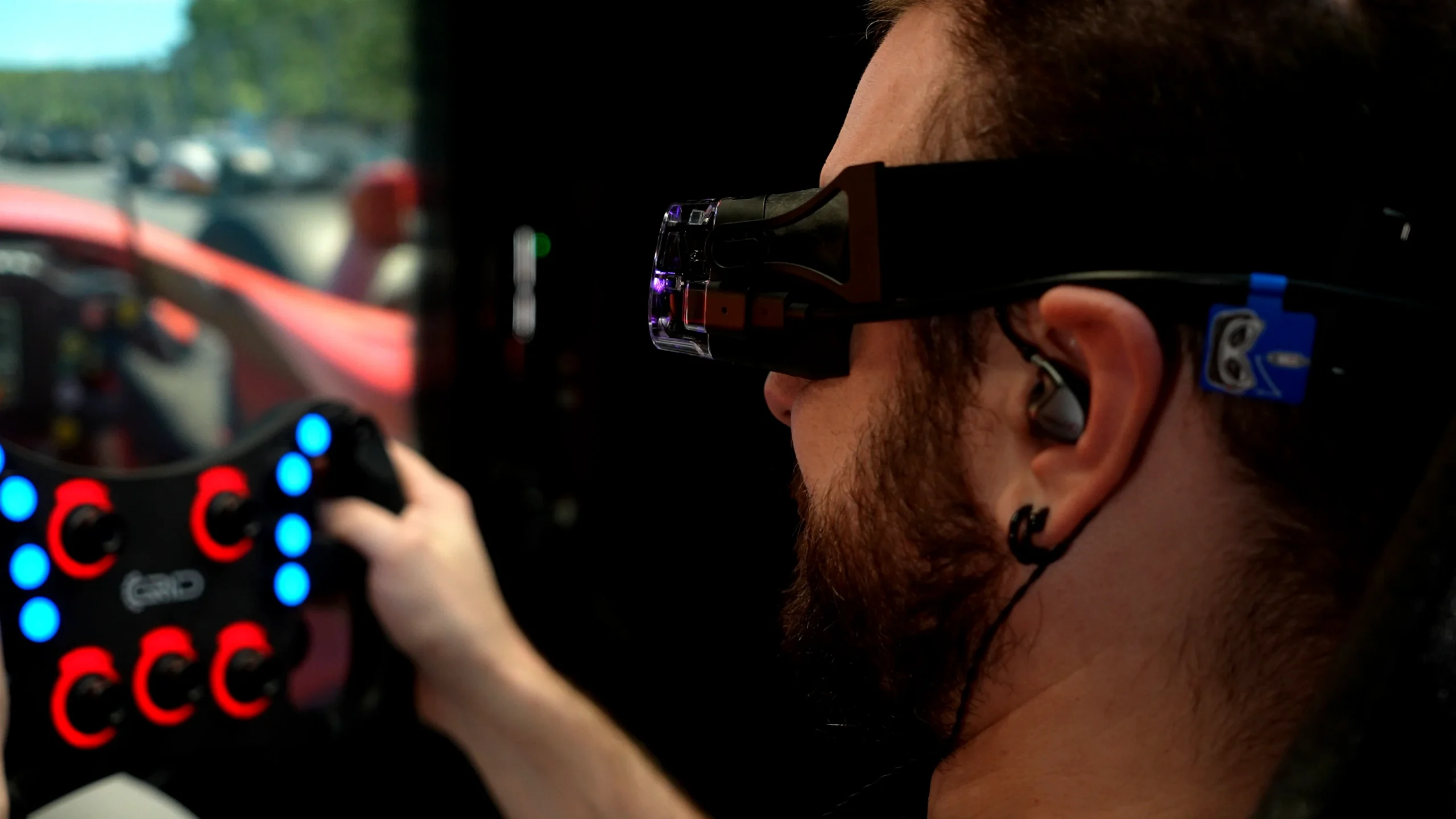
Tracking is another area where the best choice depends heavily on your room. Some headsets use inside-out tracking, where cameras on the headset read the space around you. Others use outside-in tracking with external lighthouse base stations. Both can work well, but they suit different setups.
Inside-out tracking is generally the simpler option. There are no base stations to mount, fewer extra costs, and less setup complexity. If your rig is in a controlled room with consistent lighting and not much movement around you, inside-out tracking can work extremely well. In our studio setup, it has been flawless, even with large screens surrounding the rig.
Outside-in lighthouse tracking can make more sense if your room is more visually unpredictable. If you have people walking past, pets, moving curtains, windows behind the rig, or changing light conditions, external tracking may be more reliable because it is not relying on the headset cameras interpreting the room. The trade-off is cost and setup complexity, because you need to buy, mount and position the base stations properly.
The important point is that tracking is not just a headset spec. It is part of the whole rig environment. For a clean, static sim room, inside-out tracking may be the easier and cheaper choice. For a busier or less controlled space, outside-in tracking may still be worth the extra hardware.
So, Should You Choose VR or Triple Screens?
If you want the most practical solution, triple screens still make a lot of sense. They are easier to use with physical controls, easier for Discord and league racing, easier for general PC use, and generally less awkward over long sessions. For many sim racers, that day-to-day usability matters more than absolute immersion.
If you want the most immersive solution, VR has the stronger argument. The depth perception, scale and sense of being inside the car are things screens cannot fully replicate. With the latest high-end headsets, VR is now much closer to being something you can use every day rather than something you only bring out occasionally.
For most people, the right answer comes down to priorities. Choose triples if you value comfort, visibility, simplicity and social usability. Choose VR if you value immersion, spatial awareness, compactness and are willing to deal with the extra setup demands. Neither option is wrong, but they suit different kinds of sim racers.
How the Latest High End Headsets Compare
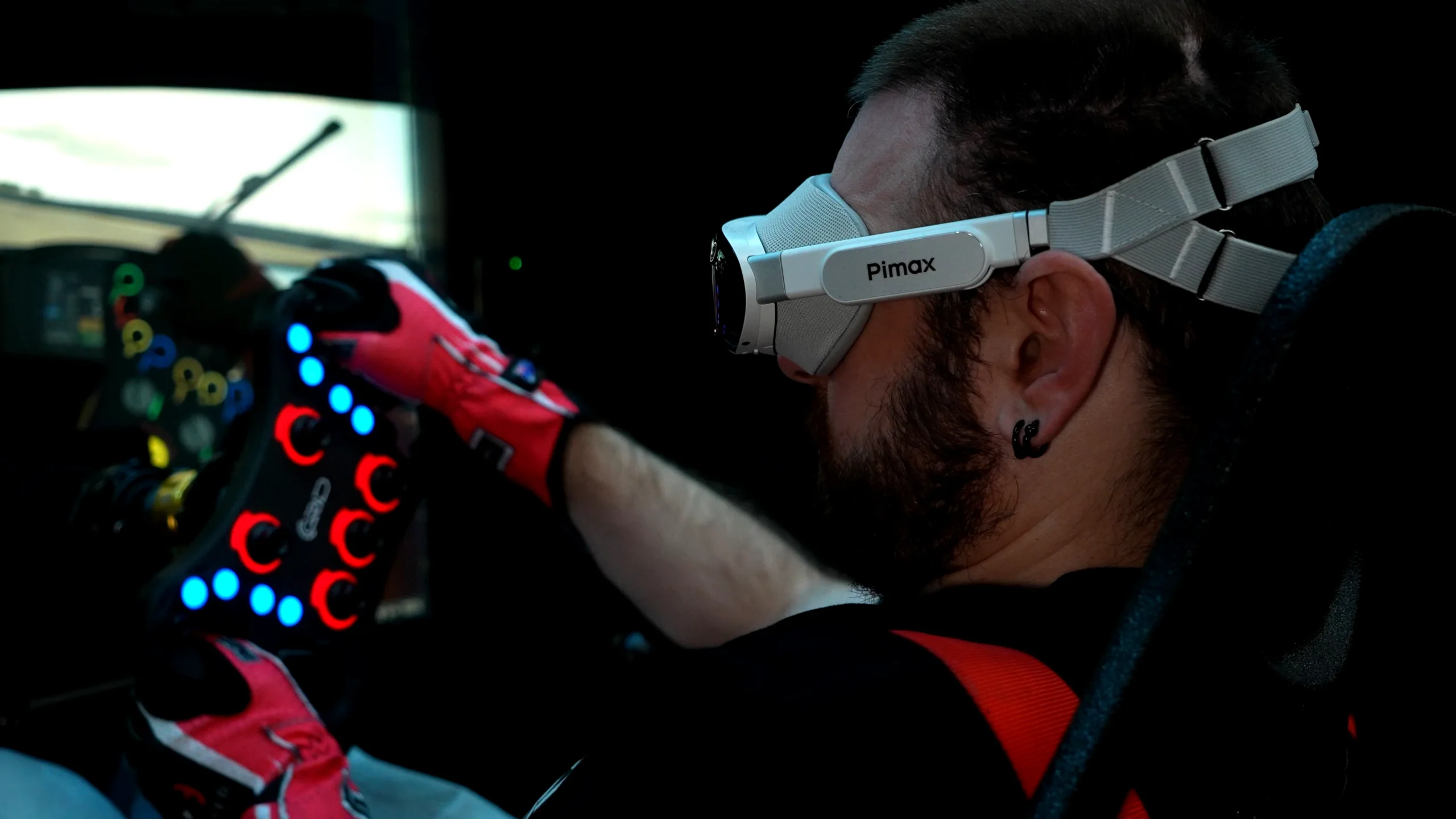
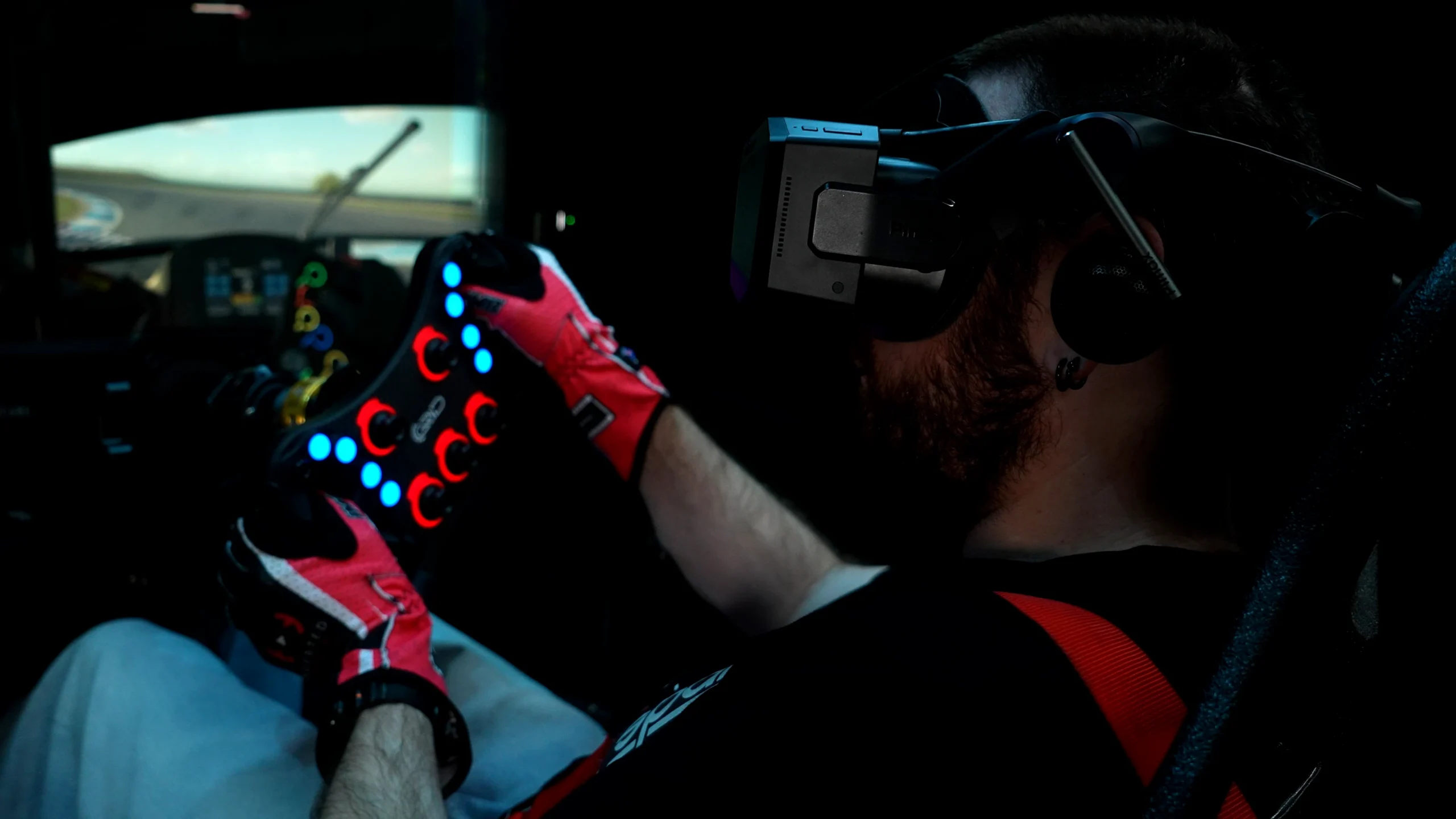
The headsets we have been testing recently show how quickly VR is changing. Bigscreen’s Beyond headsets are still impressive because of how small and light they are, and that makes a real difference in sim racing. Less weight means less movement, less neck fatigue, and less of that feeling that the headset is fighting you during a long stint.
The Pimax Crystal Super takes a different approach, with extremely high visual fidelity and the ability to swap optical modules depending on whether you prioritise clarity or field of view. The downside is bulk. For sim racing specifically, that size and weight make it harder to ignore once you are getting thrown around by force feedback and haptics.
The standout, though, is the Pimax Dream Air. It combines the visual clarity that makes high-end VR so convincing with a much smaller and lighter form factor, and that changes the experience dramatically. This is the first headset I have used where VR feels less like something you tolerate for immersion, and more like something you could genuinely use as your main sim racing display.
It is not perfect. The Dream Air is still very expensive, the build quality and software experience still leave room for improvement, and you need serious PC hardware to take full advantage of it. But the important part is what it represents. If this level of clarity and comfort starts filtering down into more affordable headsets over the next few years, the argument for VR in sim racing becomes much stronger.
Conclusion: VR Looks Like the Future, But Triples Are Not Done Yet
After spending time with the latest high-end headsets, VR feels more convincing than it ever has for sim racing. The Pimax Dream Air in particular shows what happens when high visual clarity, strong optics and a lightweight form factor come together. It is still expensive, and it still has rough edges, but the direction of travel is very exciting.
That does not mean triple screens are suddenly obsolete. They are still practical, proven and much easier to live with in a lot of real-world setups. If you race socially, use a lot of physical controls, or simply do not enjoy wearing a headset, triples remain a very strong option.
But for the first time, VR feels like more than a side-grade or occasional novelty. If the technology we are seeing in the current high-end headsets starts filtering down into more affordable options, it is easy to see VR becoming the default direction for serious sim racing over the next few years. The right choice today still depends on your rig, your room, your PC and your own tolerance for the compromises.
NEWSLETTER
Stay up to date with new releases And major updates
Thanks. Please check your email to confirm your subscription.
Sim RACING
Discount Codes
Related Articles

Pimax Crystal Super – Detailed Review
With impressive display specs, built-in inside-out tracking, and bundled controllers, The pimax crystal super promises an all-in-one solution that sidesteps some of the friction seen
Bigscreen Beyond VR 2 – Detailed Review
After shaking up the high-end VR space with the original Beyond VR headset, Bigscreen is back with the Beyond 2 — a refined version of
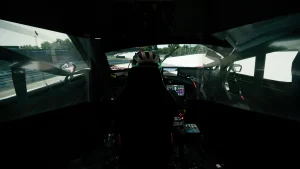
Triple Screens Vs VR – Which is Faster for Sim Racing?
One of the most heated “discussions” around the Sim Racing community has got to be VR vs Triple Screens. Which is faster? Which is most
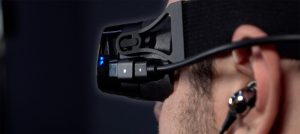
Bigscreen Beyond: Best VR for Sim Racing?
Comfort is a significant issue holding many gamers and Sim Racers back from committing to VR. And while VR offers an extremely immersive visual experience,
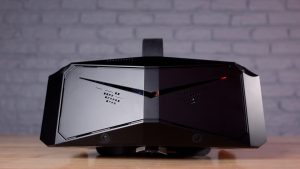
Pimax Crystal VR Headset Review
The Pimax Crystal VR Headset is undoubtedly a serious bit of kit when it comes to VR Sim Racing. With a total resolution of 5760
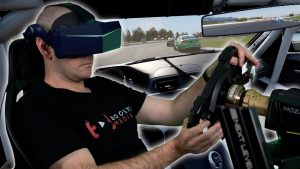
REVIEW – Pimax 5K Super VR Headset
With an epic field of view and lightning-fast refresh rate, the Pimax 5k super looks to be a great choice for VR gaming and in
MORE REVIEWS and Discounts
If these Sim Racing Reviews have helped you find the best racing simulator gear for your sim rig, please consider using the affiliate links on this website. By purchasing through these links, a small commission will come back to Boosted Media at no additional cost to you. This is how Boosted Media keeps providing content to the Sim Racing community.